

















The 1st All India Annual States’ Ministers Conference on “Water Vision@2047” began today in Bhopal with the auspicious ‘Jal Kalash’ ceremony by the Chief Guest and Dignitaries. The ceremony was followed by a special address by Prime Minister Narendra Modi via video message wherein PM highlighted the importance of the Conference of Water Ministers of the country. The PM highlighted that water is a state subject as per the Constitution of India and therefore, it is the states’ efforts for water conservation that will go a long way in achieving the collective goals of the country. “Water Vision @ 2047 is an important dimension of the journey of Amrit Kaal for the next 25 years”, the Prime Minister remarked.
Highlighting the importance of the circular economy in the field of water conservation, the Prime Minister informed that the government has laid a lot of emphasis on the circular economy in this budget. “When treated water is reused, fresh water is conserved, it benefits the entire ecosystem. That’s why water treatment, water recycling is essential”, he said. He reiterated that states have to find ways to increase the use of ‘treated water’ for various purposes. “Our rivers, our water bodies are the most important part of the entire water ecosystem”, the Prime Minister said as he emphasised creating a network of waste management and sewage treatment in every state. “By making the Namami Gange Mission a template, other states can also start similar campaigns for the conservation of rivers. It is the responsibility of every state to make water a subject of cooperation and coordination”, the Prime Minister concluded.
Delivering the Keynote address, the Union Minister of Jal Shakti Gajendra Singh Shekhawat lauded the commitment of the Chief Minister of Madhya Pradesh towards water conservation and for the unwavering efforts put by him and the entire State government in hosting this conference in Bhopal. Shri Shekhawat said “India has become a leader in the field of Water and Sanitation under the guidance of Prime Minister Shri Narendra Modi”. Welcoming the participants, the Union Minister said that Indian economy has continued its growth trajectory despite COVID pandemic and it is estimated that by 2027, India will become the third largest economy in the world ahead of Germany and Japan. He said “there is a direct correlation between economic growth and the consumption of electricity and water. PM has given a clear roadmap for becoming a 3 to 5 trillion dollar economy and further a 10 trillion dollar economy. Therefore, there is a need to discuss the water requirements and its availability at a macro level through such conferences”.
Shekhawat added that “by 2047, our requirement is likely to surpass the availability of water and this is the reason why Prime Minister insisted that this conference should be held with all the States to holistically discuss this issue, chalk out a roadmap to ensure preparedness and contingency planning. Our country is fast moving towards becoming a developed country and therefore, it becomes important to start planning and working towards ensuring water availability for the future. We all need to keep working together to work out a plan for all States individually and together as a nation towards ensuring water availability”.
Delivering the inaugural address, the Chief Minister of Madhya Pradesh, Shri Shivraj Singh Chouhan highlighted the efforts undertaken by the State government towards water conservation for optimal utilization of this precious resource. The CM used an example out of his own life when he was MLA to highlight the importance of people’s participation or Jan Bhagidari. The Chief Minister stated that Narmada River comes from the root of trees and therefore, if trees remain only then will the rivers thrive. Shri Chouhan said that the State is making a water Policy within a month which will be comprehensive and cover various aspects such as water conservation, increasing water availability, rain water harvesting, recycling waste water, more crop per drop etc. Talking about the Jal Jeevan Mission, the CM said work is under progress worth approximately 50,000 Crores and earlier water was being provided to only 14 % households which has now increased to nearly 47%.
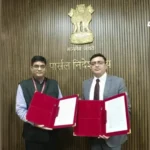
The dignitaries launched the National Framework on Reuse of Treated WasteWater, National Framework for Sedimentation Management, Best practices under Jal Shakti Abhiyan: Catch the Rain and inaugurated a sub-portal of ‘Jal Itihas’ under the WRIS portal as part of Azadi Ka Amrit Mahotsav along with an exhibition.
The Conference had one Plenary Session which set the agenda of the Conference with focus on Water Vision@2047. Debashree Mukherjee, Special Secretary, DoWR, RD & GR, Ministry of Jal Shakti, GoI elaborated on the action plan for bridging the irrigation gap. These include interlinking of rivers, health management and safety measures for ageing dams, automation of important water infrastructure, saturation of micro irrigation of 69.5 hectares in the country and elimination of gap between Ultimate Irrigation Potential (UIP) and Irrigation Potential Created (IPC). “Water is a state subject but a national concern,” quipped Mukherjee.
Water Resources Ministers of various states elaborated their plans and initiatives for the Water Vision 2047. “Gujarat’s water vision 2047 stands on 4 pillars viz. Resource adequacy, supply side management, demand side management and sustainability. Sujalang Safalang project was introduced in Gujarat 5 years back and villages have become independent on water supply under Amrit Sarovar,” informed Kunvarji Bavaliya, Minister Of Water Supply, Animal Husbandry, Rural Housing, Government Of Gujarat.
“West Bengal has formed and nurtured water user associations (WUAs) to ensure sustainability with 2549 WUAs registered till date, ” informed Dr Manas Ranjan Bhunia, Minister for Irrigation and Waterways and the Minister for Small & Micro Industries and Textile, Government of West Bengal. “Jal dharo, Jal Bhao campaign since 2013 has succeeded in storing 4L hectare water till date,” he added. Water charges by WUAs Rs 50-100/Hour, Rs 600-1000/Bigha compared to Market Rates Rs 200-250/Hour and Rs 800-1200/Bigha, Bhunia informed.
“UP is committed to the goal of water conservation and all our lakes and ponds have adequate water. The Catch the Rain campaign needs to be reinforced and encourage us to create a roadmap for civil society and other organizations that are involved in water management.” Swatantra Dev Singh, Ministry of Jal Shakti, Government of Uttar Pradesh . “Fresh schemes worth Rs 1278 crore has been sanctioned in Assam in 2021-22 with an additional planned investment of Rs 1178 crore,” informed Pijush Hazarika, Minister of Water Resources, Government of Assam.
“Uttarakhand is using rainwater harvesting, waste water reuse, groundwater rejuvenation schemes. Song Dam drinking water project providing 150 MLD water in Dehra Dun and areas around while the Jamrani MPP for Drinking water supplies to Haldwani.” informed Satpal Maharaj. “The water gap in Haryana is being met by pumping from deeper fresh water aquifers to sustain agriculture by farmers,” added Keshni Anand Arora, chairperson of the Haryana Water Resources (Conservation, Regulation and Management) Authority.
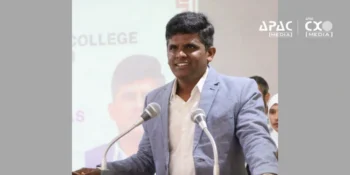
The 1st Thematic Session addressed the various aspects of “Water Security in Water Deficit, Water Surplus and Hilly Regions”. India is a country of diverse topography and the same techniques cannot be applied to resolve the problems of the different parts of the country. Therefore, we need to prioritize drinking water as well as water used in the agriculture sector. Special measures are required to be taken to address the issues in hilly areas and the rejuvenation of springs. Water budgeting is also an important aspect of water security and community participation assumes the core of success of all these measures. Participants in this session included Brajendra Singh Yadav, Minister of State for Public Health Engineering, Govt of Madhya Pradesh, Kunvarji Balaviya, Minister Of Water Supply, Animal Husbandry, Rural Housing, Government Of Gujarat, Subhash Shirodkar, Minister for Water Resources Department, Govt of Goa, Amit Kataria, Jt Secretary, Ministry of Rural Development, GoI and Vikas Sheel, Additional Secretary & Mission Director, Jal Jeevan Mission, Ministry of Jal Shakti, GoI .
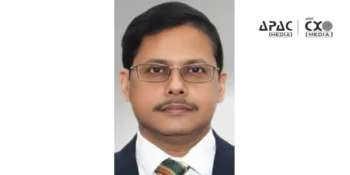
The 2nd Thematic Session focused on “Water Use Efficiency including the Reuse of Waste Water/ Grey Water”. As we are aware, we need a robust solution when it comes to the mode of measurement of water resources, there is a need of developing annual measurement systems for water resources. Focus should be given on both demand and supply side management. To make the above objective a success community involvement at the grass root level is very necessary. Only restoring or constructing water conservation structures will not serve the purpose. There is a need for a regular revisit of the restored structures for their maintenance. The revenue recovery needs to focus on the sustainability aspect and support the basic need related to water. Participants included Ambati Rambabu, Minister for Water Resources, Govt of Andhra Pradesh, Tulsiram Shelawat, Minister of Water Resources, Govt of Madhya Pradesh, Sanjay Kumar Jha, Minister of Water Resources Department, Government of Bihar, Ashok S Goel, Commissioner (SPR), DoWR, RD &GR, Ministry of Jal Shakti, GoI, Sanjay Agarwal, Secretary, Water Resources & Disaster Management, Government of Bihar and Maninder Kaur Dwivedi, Additional Secretary, Ministry of Agriculture & Farmer’s Welfare, GoI.