












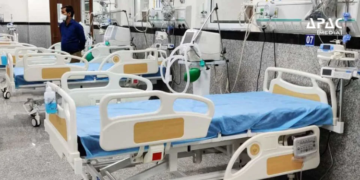

















New Delhi: Due to the risk of increased hospital fires as the temperatures rise during summer, the Union Health Ministry and the National Disaster Management Authority (NDMA) have collaborated to issue a joint advisory to all States and Union Territories (UTs), to take proactive measures and prevent such incidents.
The advisory instructs State Health Departments and State Disaster Management Authorities to coordinate efforts to ensure that all accredited hospitals undertake immediate action on the following key points:
- Meticulous inspections: Hospitals need to have thorough checks to make sure they’re following fire safety rules. This includes making sure all the fire-fighting equipment like alarms, detectors, extinguishers, hydrants, and lifts are working properly.
- Electrical Load Audits: Hospitals need to regularly check their electrical load capacity through regular audits, especially when they add new equipment or create ICUs. If they find any problems, they need to fix them right away.
- Fire NOC Compliance: Hospitals need to follow the rules and get valid fire No-Objection Certificates (NOCs) from the state fire department, especially for older buildings.
Additionally, a set of instructions has been provided to the Chief Secretaries of all States and UTs, outlining steps and measures to be undertaken by hospitals to ensure fire safety compliance. These include:
- Regular checking of fire-fighting equipment.
- Regular maintenance and testing of fire-fighting.
- Conducting bi-annual electrical load audits.
- Implementing strict policies on oxygen safety.
- Installation of smoke detectors and fire alarms.
- Control of combustible materials in hospital construction.
- Use of non-combustible materials for electrical ducts.
- Avoiding overloading of power sources.
- Installation of water sprinklers and hosepipes.
- Adherence to the National Building Code.
- Annual renewal of Fire Safety No-Objection Certificates.
- Continuous staff training and fire drills.
- Development of comprehensive evacuation plans.
States and UTs have been advised to conduct follow-up reviews to ensure the effective implementation of these critical safety measures.




















Discussion about this post