


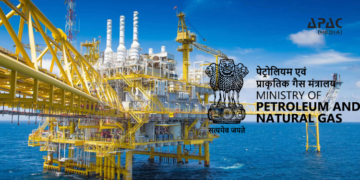














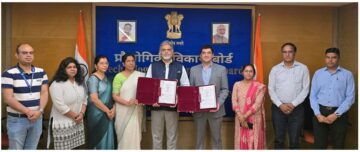


New Delhi: The Ministry of Petroleum and Natural Gas has notified the Natural Gas and Petroleum Products Distribution Order, 2026, under the Essential Commodities Act, 1955.
The order comes into immediate effect and aims to streamline the laying, building, operation, and expansion of pipeline infrastructure across the country.
The reform introduces a clear and time-bound framework to address long-standing delays in approvals and challenges in land access. By setting standardized processes and timelines, it reduces ambiguity and limits administrative discretion. A key highlight is the provision for deemed approvals, which is expected to significantly cut procedural delays and improve project execution.
The order also provides a unified regulatory structure across jurisdictions, helping reduce fragmentation in permissions. It removes arbitrary levies and introduces transparent cost mechanisms, along with defined compensation models such as “dig and restore” and “dig and pay” to avoid disputes with local authorities.
A major focus of the reform is accelerating infrastructure development. It facilitates easier access for authorized entities to expand pipelines and supports faster rollout of City Gas Distribution networks. This is expected to improve last-mile connectivity and expand the reach of piped natural gas in residential and commercial areas.
From a consumer perspective, the order enables time-bound PNG connections and supports a gradual shift from LPG to cleaner natural gas where infrastructure is available. It also includes safeguards like bank guarantees to ensure accountability without increasing financial burden.
Dr. Neeraj Mittal, Secretary, Ministry of Petroleum and Natural Gas informed that GAIL and PNGRB will lead the rapid expansion of PNG and CNG infrastructure under the guidance of the Prime Minister’s Office and Union Minister of Petroleum and Natural Gas, Hardeep Singh Puri.
The move is expected to strengthen energy security, improve ease of doing business, and support India’s transition to a gas-based economy. Increased use of natural gas in cooking, transport, and industry is also likely to contribute to better air quality and lower emissions while supporting economic growth.
















Discussion about this post