


















Noida, Sep 30 (APAC Media): The Delhi government is set to intensify its winter pollution-control measures from October 1, including stricter enforcement of the “No PUC, No Fuel” rule, checks on end-of-life vehicles, fitness testing of around 2.5 lakh vehicles and curbs on construction and demolition activities.
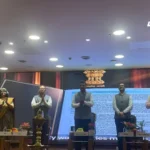
The measures were discussed at a high-level meeting chaired by Union Environment Minister Bhupender Yadav to review Delhi’s air pollution mitigation plan. Delhi Chief Minister Rekha Gupta, Environment Minister Manjinder Singh Sirsa, Public Works Minister Parvesh Verma and senior officials attended the meeting.
Sirsa said the government would implement the “No PUCC, No Fuel” policy in mission mode, requiring motorists to possess a valid Pollution Under Control Certificate before purchasing fuel.
“The ‘No PUCC, No Fuel’ policy will be intensified,” Sirsa said, adding that a public awareness campaign would be launched in October ahead of stricter enforcement.
⇒Apple Launches India Payments Service to Challenge Google Pay, Paytm
The government also plans to upgrade Pollution Under Control centres in November to make it easier for vehicle owners to obtain the required certificates.
A major enforcement drive against end-of-life vehicles is also planned at all 500 fuel stations in Delhi equipped with Automatic Number Plate Recognition cameras. The systems will help authorities identify vehicles that have exceeded their permitted operational life.
The government has further planned fitness tests for around 2.5 lakh vehicles through three Automated Testing Stations as part of its efforts to strengthen vehicle-emission checks.
Construction and demolition activities will also face restrictions during the winter pollution season.
According to the action plan, dust-generating demolition and outdoor civil construction activities will be prohibited from November 1 to January 31, while a complete ban on construction and demolition activities will be imposed from December 10 to January 20.
The government will also focus on pollution and traffic hotspots across the capital. Sirsa said Chief Minister Gupta would personally inspect identified hotspots, while ministers would monitor different sources contributing to pollution.
“We are focusing on managing specific sites—such as cremation grounds, dumping sites, and construction/demolition waste sites—within this radius, working through the DMs to address these issues effectively,” Sirsa said.
He added that 42 of Delhi’s 62 identified pollution hotspots had already been brought under control, with work continuing at the remaining locations.
The winter protocol will also include restrictions on polluting vehicles, higher parking charges, staggered office timings and work-from-home arrangements. Entry of vehicles registered outside Delhi and below BS-VI emission standards will be restricted from November 1, with exemptions for CNG and electric vehicles, according to the government’s broader plan.
The government also plans to strengthen public transport and last-mile connectivity, including measures to promote the Delhi Metro Sarthi App. It has announced plans to add 150 electric buses to Delhi’s fleet.
Sirsa described the discussions with the Centre and neighbouring NCR authorities as “action-orientated planning”, aimed at ensuring coordinated measures to tackle pollution across the region.
The Union environment ministry said the strategy would cover vehicular emissions, road and construction dust, waste and biomass burning, industrial emissions, public transport, greening and pollution hotspots, with citizen participation forming part of the implementation framework.
–ENDS–
Disclaimer: This article is for informational purposes only and is based on publicly available information.
Also Read: