

































New Delhi: In a significant step towards strengthening rural drinking water service delivery and community ownership, the Department of Drinking Water & Sanitation (DDWS), Ministry of Jal Shakti, has e-launched Jal Seva Aankalan, a Gram Panchayat-led digital drinking water service functionality assessment tool.
The new initiative has been integrated into the Jal Jeevan Mission (JJM) portal and is aimed at ensuring that Har Ghar Jal villages receive regular, adequate, safe, and sustainable drinking water services.
From Infrastructure to Service Sustainability
With a large number of Gram Panchayats having achieved Har Ghar Jal (HGJ) status, the Jal Jeevan Mission has entered a new phase focused on service delivery rather than just asset creation. Jal Seva Aankalan marks a decisive shift by placing Gram Panchayats and village institutions at the centre of assessing drinking water services, covering parameters such as regularity, adequacy, quality, and source sustainability.
Unlike traditional third-party surveys, the tool is designed as a community-owned self-assessment process, enabling villages to collectively review and improve their water supply systems through local participation and accountability.
National Launch and High-Level Participation
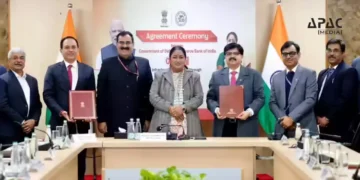
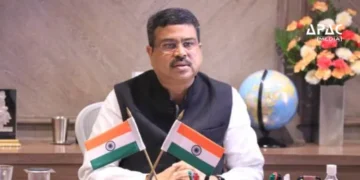
The tool was formally e-launched by the Union Minister of Jal Shakti, C. R. Patil, in the presence of Ministers of State V. Somanna and Raj Bhushan Choudhary. Senior officials from DDWS, state representatives, Panchayat Secretaries, Sarpanches, and Village Water & Sanitation Committee (VWSC) members also attended the event.
Around 10,000 representatives from Har Ghar Jal Gram Panchayats across States and Union Territories participated virtually, reflecting the national scale and importance of the initiative.
How Jal Seva Aankalan Works
Explaining the initiative, Ashok K. K. Meena, Secretary, DDWS, clarified that Jal Seva Aankalan is neither an inspection nor an external audit. Instead, it is a structured, community-led self-review process. Assessments are carried out by VWSC members, Panchayat Secretaries, system operators, and a cross-section of water users, including women and vulnerable groups.
The findings are deliberated and approved by the Gram Sabha before being digitally uploaded on the JJM Panchayat Dashboard. The data will be publicly visible on platforms such as eGramSwaraj and the Meri Panchayat App, with a 30-day citizen feedback window prior to finalisation.
Transparency, Training and Accountability
Kamal Kishore Soan, Additional Secretary and Mission Director, National Jal Jeevan Mission, stressed the importance of accurate and responsible data entry, as assessment outcomes will be visible at the national level. He highlighted the facilitative role of Zila Panchayats and the need for systematic block-level training of Panchayat Secretaries to ensure data credibility. Gram Sabha endorsement remains the final authority for verification and ownership.
Expected Outcomes and Timeline
Jal Seva Aankalan is expected to improve transparency, support evidence-based planning, and reinforce community stewardship of rural water supply systems. All Har Ghar Jal Gram Panchayats are required to complete the assessment by 26 January 2026, reaffirming the principle that rural drinking water systems belong to the community and must be managed by the community itself.












Discussion about this post