
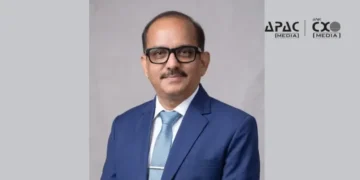











Vinay Chatarju, Co-founder & Head-Business, Kritsnam Technologies
 New Delhi: The first thing to address while talking about groundwater management is measurement. Speaking from our experience of working with various industries and government departments, water management in India has been mostly a guesswork based on outdated heuristics. Water users and regulators are just realizing the importance of data driven water management and are on the right path in the last few years. The new guidelines from CGWA emphasize the sustainable usage of freshwater for industrial and commercial purposes. Reduction in groundwater consumption is the need of the hour and the recent guidelines by CGWA is a very important step in that direction.
Groundwater is a complex subject technology penetration in this field has been limited so far. We, at Kritsnam Technologies, are working with bulk water users – be it industry, commercial establishments, by leveraging advanced technologies (IoT, ML, AI) to help them reduce their water footprint. Using various IoT enabled instrumentation and hydraulic models we help water users to efficiently manage the resource in their premises. It is fairly possible to reduce the water consumption by up to 20% just by establishing monitoring units and disciplined usage of water in the industries.
Many manufacturers/industries don’t have the information they need to manage the water that flows through their processes—information that is critical for improving productivity. Kritsnam has developed products that can help these industrial companies improve the way they track their water usage and monitor their progress. We recommend industries to set up a Continuous Internal Water Audit system to have a clear idea on how much water is being used and which processes are working inefficiently. By organically bringing the discipline in the water consumption industries can reduce the water consumption up to 20% without changing any major infrastructure.
Kritsnam Technologies is committed to help industries in reducing their water footprint and are open to collaborate with the industry to bring cost-effective solutions which are affordable.