




















Public spaces play a crucial role in shaping the social and cultural fabric of towns and cities.
Well-designed parks, lakefronts, and recreational areas not only improve urban aesthetics but also foster community interaction, inclusivity, and well-being.
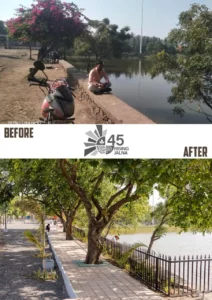
The transformation of the Motibagh Lakefront in Jalna, Maharashtra, stands out as an inspiring example of citizen-centric urban governance that brought new life to an underutilised public space.
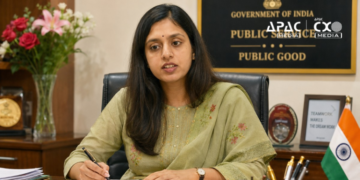
During her tenure as the Additional Municipal Commissioner of Jalna, IAS officer Ashima Mittal (currently the District Collector of Jalna) spearheaded the Motibagh development project. The initiative was not merely about beautification but about creating a space where people could connect with nature, spend quality time with their families, and experience a renewed sense of belonging.
From an Underutilised Space to a Community Hub
While reflecting on the project on LinkedIn, IAS Ashima Mittal notes that the redevelopment of the Motibagh lakefront has significantly changed how residents interact with the area. What was once a neglected and underutilised space has evolved into a vibrant public destination.
Today, the lakefront welcomes families, children, senior citizens, and fitness enthusiasts. People gather for morning and evening walks, children enjoy open play areas, and visitors spend time relaxing by the waterfront. The transformation demonstrates how thoughtful urban planning can encourage healthier lifestyles while strengthening community bonds.
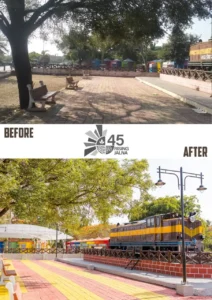
More importantly, the project illustrates that successful urban development is measured not only by improved infrastructure but also by the experiences it creates for citizens.
A Lesson in People-Centric Governance
In her post on LinkedIn, IAS Ashma Mittal also explains that while execution is essential, meaningful ideation shapes the final outcome. Designing a space around how people should feel, rather than simply how it should look, creates a more lasting impact.
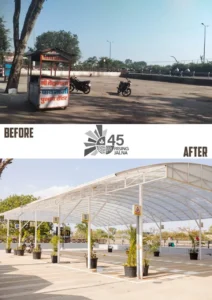
The Motibagh project demonstrates that relatively simple yet thoughtful interventions can transform neglected public assets into thriving community spaces.
The Power of Collaborative Urban Development
The success of the redevelopment also highlights the importance of community participation. The enthusiasm with which residents embraced the transformed lakefront played an equally significant role in making the project successful.
The Motibagh lakefront transformation offers an important governance lesson: sustainable urban development is achieved when visionary leadership, thoughtful planning, efficient execution, and citizen participation come together.
As Indian cities continue to grow, such initiatives provide a valuable roadmap for creating public spaces that are functional, inclusive, and deeply connected to the people they serve.
Also Read
Reawakening the Mahanadi: How IAS Abinash Mishra Led River Rejuvenation through MAA Campaign