













New Delhi: The India AI Impact Summit commenced in New Delhi on 16 February with a strong focus on ensuring that the benefits of artificial intelligence reach developing economies, particularly the Global South.
It is understood that deliberations at the five-day event could conclude with a “Delhi Declaration” aimed at promoting more equitable access to AI technologies worldwide.
The proposed joint statement is expected to advocate wider access to AI infrastructure and call for a harmonised framework governing its use across industries. Discussions may also include the creation of an international creative commons structure for AI systems. The draft is currently being refined and is scheduled to be reviewed later this week by Prime Minister Narendra Modi and other participating global leaders.
Opening the summit, Modi inaugurated what officials described as the largest showcase of AI-driven solutions and applications assembled at a single venue. In a message posted on X, he noted that artificial intelligence is reshaping sectors ranging from healthcare and agriculture to governance and enterprise, and expressed optimism that the summit’s outcomes would shape responsible and innovation-led AI growth.
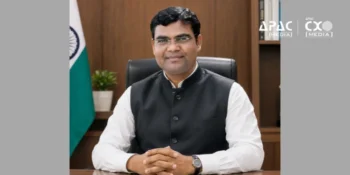
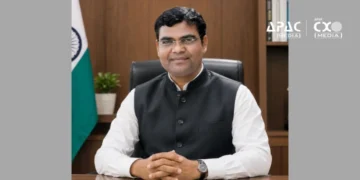
On regulatory issues, Union Electronics and IT Minister Ashwini Vaishnaw said India is seeking a broad-based consensus on the complex interface between AI systems and copyright law. He suggested that the solution may lie in a combination of legal and technological mechanisms rather than a single overarching regulation. The government had earlier proposed a framework allowing AI training on copyrighted material with revenue-sharing provisions for rights holders.
Beyond multilateral engagement, bilateral meetings are expected between Modi and leaders, including French President Emmanuel Macron, Swiss President Guy Parmelin, Abu Dhabi Crown Prince Khaled bin Mohamed bin Zayed Al Nahyan and Dutch Prime Minister Dick Schoof.
The summit, running from 16-20 February, has drawn prominent global technology executives, including Sam Altman of OpenAI, Dario Amodei of Anthropic, Sundar Pichai of Google and Brad Smith of Microsoft, alongside Indian industry leaders such as Mukesh Ambani, Nandan Nilekani and Rishad Premji.