



















Tiruvallur district in Tamil Nadu has long faced a serious groundwater crisis. Rainfall remains the main source of water for both surface and underground reserves. But rainfall varies every year with the monsoon.
At the same time, the extraction of groundwater keeps rising. Farmers, industries, and households depend heavily on borewells. Over time, this imbalance has led to falling water tables, formation of cones of depression, and poor water quality.
As a result, groundwater recharge was low, whereas runoff was high. The district was pulling out more water than nature could put back.
Many villages had already shifted to overhead tank supply systems and mini pumps. Open wells were ignored. Several dried up. Others were abandoned. In many places, unused wells became garbage pits. Monitoring groundwater levels also became difficult because traditional open wells were no longer in use.
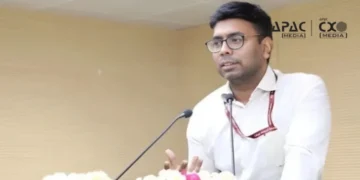
This is where IAS Prathap Murugan, District Collector of Tiruvallur district, stepped in with a simple but powerful idea.
A Practical Shift in Thinking
Instead of sealing abandoned borewells, he asked a basic question: why not use them to recharge groundwater?

His administration identified more than 1,200 unused borewells across the district. Rather than closing them, the team converted them into rainwater harvesting recharge structures. During the monsoon, rainwater was directed into these borewells after basic filtration. The water then seeped back into the underground aquifers.
The approach did not require heavy new infrastructure. It used what was already there. It cut costs. It reduced waste. Most importantly, it restored balance between extraction and recharge.
Visible Results After One Monsoon
The impact was quick!
After just one monsoon season, groundwater levels reportedly rose by 5 to 10 feet in several areas. Wells that had gone dry began to show signs of recovery. Farmers gained better access to irrigation water. The pressure on the drinking water supply eased in some villages.
This was not a short-term fix. It was a structural correction. By turning abandoned wells into recharge points, the district improved natural replenishment. It also reduced surface runoff, which otherwise would have been lost.
Lessons for Other Regions
Many districts across India face similar groundwater stress. Abandoned borewells and unused dug wells are common. They often remain safety hazards or dumping sites. Tiruvallur shows that with clear thinking and administrative will, these liabilities can become assets.
The idea was simple. The execution was focused. The results were measurable.
By converting unused borewells into recharge structures, M. Prathap demonstrated how governance can solve environmental problems with practical, local solutions. It is a reminder that sometimes the answer is not to build more, but to rethink what already exists.
Also Read
When Code Met the Ballot: How IAS Saurabh Jorwal Transformed Election Security in East Champaran