



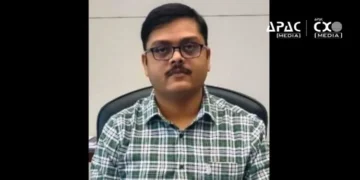













Carrier India is preparing its workforce for the future by making capability building a core part of its HR strategy, particularly in digital, engineering, and emerging technology domains. Subhajit Mitra, HR Director, Carrier India speaks exclusively to Bhavya Bagga, Business Reporter, CXO Media on how people analytics is playing a pivotal role in Carrier India’s HR strategy by enabling a shift towards data-driven decision-making.
As HR leaders play a central role in organizational change, how is HR at Carrier India evolving to support large-scale business transformation and workforce agility?
At Carrier India, HR is evolving into a strategic transformation partner, enabling large-scale business change through a structured and integrated approach. A unified HR Transformation Playbook brings together workforce planning, talent, rewards, and governance, allowing HR to support complex initiatives with consistency and speed.
In parallel, there is a strong focus on strengthening talent pipelines and future-ready capabilities—through leadership development, early career acceleration, and targeted upskilling—ensuring the organisation can sustainably support high-growth priorities
This transformation is further powered by digitalisation and a strong people-centric culture. HR is leveraging AI, data, and analytics to drive more agile decision-making and enhance employee experience, while initiatives like the Carrier Way Council ensure continuous employee voice and engagement.
Together with strengthened performance systems and leadership accountability, HR is embedding agility, inclusion, and high performance into the organisation—positioning Carrier India to scale sustainably in a dynamic business environment
What role does people analytics play in shaping strategic HR decisions and improving talent outcomes at Carrier India?
People analytics plays a pivotal role in Carrier India’s HR strategy by enabling a shift towards data-driven decision-making. Through internal platforms like the People Analytics & Workforce Strategy (PAWS) ecosystem and centralised analytics hubs, HR gains access to consistent, real-time workforce insights—supporting areas such as workforce planning, talent forecasting, and organisational design.
This ensures that strategic HR decisions are grounded in reliable data, improving accuracy, alignment with business priorities, and overall execution effectiveness.
Beyond decision support, people analytics is increasingly driving predictive and forward-looking talent outcomes. Advanced analytics capabilities—such as workforce intelligence dashboards, skills analytics, and AI-enabled insights—help identify talent risks, skill gaps, and future capability needs.
This allows HR to proactively address retention, optimise hiring and development strategies, and enhance workforce productivity, ultimately strengthening business performance and building a more agile, future-ready organisation
How is Carrier India preparing its workforce with future-ready skills, particularly in digital transformation and sustainability?
Carrier India is preparing its workforce for the future by making capability building a core part of its HR strategy, particularly in digital, engineering, and emerging technology domains. Through targeted upskilling initiatives, leadership development programmes, and structured early-career pipelines, HR is strengthening both depth and scale of talent to meet evolving business demands.
This is complemented by enterprise-wide workforce planning and skills tracking frameworks that provide visibility into capability gaps and enable focused investments in critical areas such as AI, digital engineering, and energy management solutions.
At the same time, digital transformation is being embedded into how employees learn and work. Leveraging AI, analytics, and digital platforms, Carrier India is enabling personalised learning journeys, data-driven skill development, and improved access to knowledge.
In parallel, sustainability priorities—such as green buildings, energy efficiency, and climate solutions—are shaping the capability agenda, ensuring employees are equipped to contribute to Carrier’s broader ESG commitments. Together, this integrated approach is building a workforce that is not only digitally fluent but also aligned to the sustainability-driven future of the business.
How is HR enabling employees to build digital capabilities and adapt to emerging technologies?
Carrier India is enabling employees to build digital capabilities by embedding technology-led learning and talent intelligence into the core of its HR practices. Through digital learning platforms, workforce intelligence dashboards, and advanced analytics, employees gain access to real-time insights, personalised development pathways, and structured capability-building programmes.
These tools simplify access to knowledge, enhance learning effectiveness, and support more informed, data-driven development decisions for both employees and managers.
In parallel, HR is driving adoption of emerging technologies by integrating digital solutions directly into everyday work. From data-driven talent insights to streamlined talent processes and automated workflows, employees are continuously exposed to new technologies in practical, real-world contexts. This “learning by doing” approach builds digital fluency and adaptability, ensuring the workforce can confidently embrace and leverage emerging technologies at scale.
Based on your professional journey, what key advice would you offer to aspiring HR leaders aiming to become strategic business partners?
To become a strategic business partner, HR leaders must move beyond traditional HR responsibilities and develop a deep understanding of the business they support. In my experience, the most effective HR leaders are those who can connect people strategies directly to business outcomes.
A few key principles I would recommend to aspiring HR leaders are:
- Develop Strong Business Acumen
Learn the organization’s strategy, financial drivers, market dynamics, and operational challenges. The more you understand how the business creates value, the more effectively you can align talent strategies with organizational goals.
- Build Credibility Through Relationships
Invest time in developing strong, trust-based relationships with leaders, managers, and employees. Strategic influence comes from credibility, consistency, and the ability to provide balanced perspectives. - Use Data to Drive Decisions
Leverage workforce analytics and business metrics to identify trends, anticipate risks, and recommend solutions. Data-driven insights strengthen HR’s position as a trusted advisor. - Balance Employee Advocacy with Business Needs
Effective HR leaders create an environment where employee well-being and business performance are mutually reinforcing rather than competing priorities. - Lead Through Change
Organizations are constantly evolving. Build expertise in change management, organizational effectiveness, and leadership coaching to help teams navigate uncertainty and transformation. - Maintain Courage and Integrity
Strategic partnership requires the ability to provide honest counsel, challenge assumptions respectfully, and make decisions grounded in fairness, ethics, and long-term organizational success.
Ultimately, strategic HR leadership is about creating value through people. The strongest HR leaders are those who combine business insight, empathy, influence, and execution excellence to help both employees and the organization succeed.
How are AI and automation transforming core HR functions such as talent acquisition, performance management, and employee engagement?
AI and automation are transforming HR by improving efficiency, enabling data-driven decisions, and enhancing the overall employee experience.
In talent acquisition, we are increasingly exploring how AI can support candidate sourcing, resume screening, and interview scheduling, with the potential to improve hiring efficiency and allow recruiters to spend more time building meaningful candidate relationships.
In performance management, technology supports continuous feedback, goal tracking, and real-time insights, helping managers have more meaningful development conversations. For employee engagement, AI can analyze feedback and sentiment trends, enabling organizations to proactively address concerns and create more personalized employee experiences.
AI is also enhancing Learning & Development through personalized learning pathways and supporting workforce planning with predictive insights on talent needs, skills gaps, and retention risks. Additionally, agentic AI solutions are increasingly being explored to automate routine HR transactions and employee inquiries, improving responsiveness and enabling HR teams to focus on more strategic and value-added activities.
However, while technology can provide valuable insights and automate routine tasks, the human element remains at the heart of HR. Empathy, trust, coaching, and meaningful connections cannot be replaced by technology (not yet!).
The most effective HR organizations of tomorrow will use AI as an enabler, allowing HR professionals to focus more on strategic partnership, leadership development, and fostering a positive workplace culture.
How do you envision the role of HR evolving in an increasingly technology-driven and AI-enabled workplace?
HR balances technology and a people-centric approach by using data and digital tools to enable better, more human decisions and experiences. At Carrier, people analytics, workforce dashboards, and digital platforms provide leaders with actionable insights on talent, skills, and performance—helping them make faster, more informed decisions. Importantly, these insights are used to augment human judgement rather than replace it, ensuring decisions remain contextual, fair, and aligned to both business priorities and individual growth.
At the same time, HR ensures that technology adoption is grounded in employee experience and continuous feedback. Initiatives such as pulse surveys, employee Net Promoter Score (NPS), and feedback platforms help capture real-time employee sentiment and translate it into targeted actions. By combining these human insights with digital capabilities, HR creates a balanced model—where technology drives efficiency and scale, while a strong people focus fosters engagement, trust, and sustainable talent outcomes.