















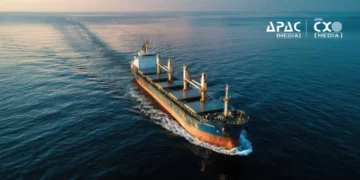






Noida, July 20 (APAC MEDIA): Crude oil prices extended their recent rally on Monday, climbing sharply as renewed hostilities between the United States and Iran intensified concerns over potential disruptions to global energy supplies from the Middle East.
Brent crude futures gained 2.7% to trade at $90.25 a barrel by 12:46 p.m. India time after earlier touching a more than five-week high of $90.75 a barrel.
West Texas Intermediate (WTI) futures also advanced, rising 2.6% to $83.56 a barrel.
The latest gains followed a weekend of escalating military exchanges between Washington and Tehran, fuelling fears that the conflict could widen and threaten key oil transportation routes in the region.
Therefore, investors have become increasingly concerned about the security of energy shipments through the Strait of Hormuz, one of the world’s most important oil transit chokepoints.
HDFC Bank Share Price Falls Over 5% After Q1 FY27 Results Miss Estimates; Brokerages Retain Buy Ratings
“The attack on the Darkhovin Nuclear Power Plant is a serious violation, as the facility was designed for peaceful purposes. Since it was still under construction and contained no nuclear material, there has been no radiation leak or nuclear contamination,” said Iranian Deputy Foreign Minister Kazem Gharibabadi.
“The strike on Darkhovin marks the first direct attack on an Iranian nuclear power plant. This comes amid broader attacks on Iran’s nuclear facilities and critical infrastructure, which represent a dangerous escalation.” Kazem added.
Iran said its ceasefire arrangement with the United States had effectively broken down, while authorities reported intercepting four vessels travelling through the Strait of Hormuz over the weekend. The US military, meanwhile, confirmed the death of a third American service member in two days amid continued attacks and counterattacks involving Tehran.
$20 ChatGPT AI Course Helps Entrepreneurs Grow Their Businesses
“The service member was killed in Iraq on Saturday during a controlled detonation operation involving a downed Iranian drone.” The U.S. military told the news agency.
“We hit them very hard again tonight, and we did that in honour of the soldiers who were killed.” U.S. President Donald Trump said.
The conflict has increasingly spread beyond direct military targets, with infrastructure including bridges, utilities and port facilities coming under attack.
“Escalating US-Iran tensions and continued disruptions around the Strait of Hormuz have significantly heightened geopolitical risk premiums, pushing Brent crude above USD 90/bbl for the first time in over a month. Sustained supply concerns could keep energy prices elevated and add to global inflationary pressures,” according to an ICICI Bank report.
Kuwait Petroleum Corporation said an Iranian strike hit one of its oil facilities on Saturday, adding to concerns about the vulnerability of regional energy infrastructure.
Oil prices have climbed nearly 30% from their July lows as diplomatic efforts between the US and Iran deteriorated, Washington resumed restrictions on Iranian oil shipments, and Tehran increased pressure on maritime traffic near the Strait of Hormuz.
Market analysts said traders were closely monitoring developments in the region, with further escalation potentially leading to tighter crude supplies and higher prices. The Middle East remains a critical hub for global oil production and exports, making any disruption to flows a major concern for energy markets.
Although supply disruptions have so far remained limited, the risk premium in oil prices has increased as investors weigh the possibility of a broader conflict. Continued uncertainty over the security of shipping routes and regional production facilities is expected to keep volatility elevated in the coming sessions.
–ENDS–
Disclaimer: This article is for informational purposes only. APAC Media is not liable for any investment decisions or losses. Please conduct your own research or consult a financial advisor before investing.
Also Read:
Crude Oil Nears $80 as Reported U.S. Strikes on Iran’s Chabahar Port Raise Supply Risks