







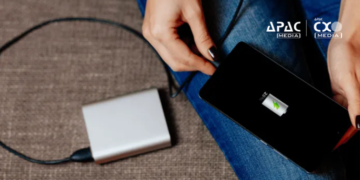













IndiGo passengers must follow specific power bank rules while flying. The requirements have come into focus after a Delhi–Chennai flight diverted to Hyderabad on October 11 following smoke from a passenger’s electronic device.
The airline reported that everyone was safe. While reports identified the device as a power bank, IndiGo described it as a personal electronic device. The incident was under investigation.
Passengers should check these seven points before their next flight.
1. Carry Power Banks In Hand Baggage
Power banks must be carried in cabin baggage, not checked-in luggage. If an airline moves your cabin bag to the aircraft’s hold at the boarding gate, remove the power bank first.
2. Protect Battery Terminals
Keep the power bank separate from loose metal objects such as keys and coins. Cover exposed terminals or use protective packaging to prevent short circuits.
3. Keep It Within Reach
IndiGo says passengers must keep power banks within their personal reach and must not place them in overhead compartments. Follow the cabin crew’s instructions on where to store them safely.
4. Check The Watt-Hour Limit
The International Air Transport Association (IATA) guidance issued in March 2026 limits personal-use power banks to two per passenger, each rated at no more than 100Wh. Power banks above 100Wh and up to 160Wh are listed as prohibited in the guidance.
5. Calculate The Battery Capacity Correctly
The formula is Wh = mAh × battery voltage ÷ 1,000. For example, a 20,000mAh power bank rated at 3.7V has a capacity of 74Wh. A 30,000mAh unit at the same voltage has a capacity of 111Wh. Always check the actual battery label and manufacturer’s specifications.
6. Do Not Charge Or Use It During The Flight
IndiGo’s published policy prohibits passengers from using power banks or charging and recharging them during the flight. Charge your phone and other devices before boarding, and check the rules of other airlines if you have a connecting flight.
7. Avoid Damaged Or Overheating Batteries
Do not travel with swollen, punctured or damaged power banks. If a battery becomes unusually hot or starts smoking, alert the cabin crew immediately and follow their instructions. Do not attempt to handle or move an overheating device yourself.
Passengers should check the latest airline rules before travelling, as permission to carry a power bank does not necessarily mean it can be used or charged onboard.