






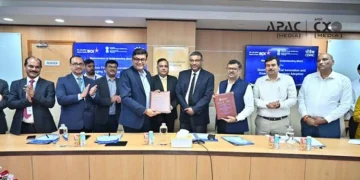
















New Delhi: The National Disaster Management Authority (NDMA) has begun drafting India’s first national tunnel safety guidelines in collaboration with IIT Delhi.
The development follows the Silkyara tunnel collapse in Uttarakhand a few months ago, which highlighted critical shortcomings in disaster preparedness and safety protocols for tunnel infrastructure.
To prepare the guidelines, NDMA signed a Memorandum of Understanding (MoU) with the Foundation for Innovation and Technology Transfer (FITT), an entity affiliated with IIT Delhi. Professors Deepanshu Shirole and Ramanathan Ayothiraman will lead the project under the supervision of a newly formed Technical Expert Committee (TEC).
The committee will provide oversight and technical direction throughout the drafting process, which aims to be completed by April 2026. NDMA member Krishna S Vatsa will chair the TEC, which includes officials from nine key government and infrastructure agencies such as RITES, MoRTH, MES, BRO, CPWD and the Coalition for Disaster Resilient Infrastructure (CDRI).
Gaps in Existing Safety Mechanisms
The development follows the November 2023 Silkyara Bend–Barkot tunnel incident in Uttarakhand, where 41 workers were trapped for 16 days. The lack of a dedicated national code for tunnel safety and the absence of standardised emergency response protocols were key concerns raised during and after the rescue operation.
Currently, tunnel construction in India follows broad engineering norms and international practices, which do not sufficiently cover risk mitigation, safety compliance, or rescue planning specific to tunnels.
Guidelines to Cover the Full Lifecycle of Tunnel Projects
According to the MoU, the new guidelines will span all three phases of tunnel projects—pre-construction, construction, and post-construction. They will also include a national database of tunnelling experts and state-specific advisory notes for administrators.
NDMA has reached out to relevant ministries and departments to nominate subject experts to contribute to the project. Once finalised, the guidelines are expected to serve as a standard reference for safer and more resilient tunnel infrastructure nationwide.