









































New Delhi: The Centre is preparing to operationalise the four labour codes from 1 April 2026, marking a significant step toward modernising India’s labour framework.
The Labour & Employment Ministry has initiated the fresh rule-making process required to enforce the Codes on Wages (2019), Industrial Relations (2020), Social Security (2020) and Occupational Safety, Health and Working Conditions (2020), all of which were notified on 21 November.
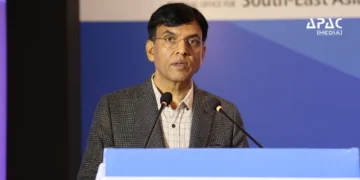
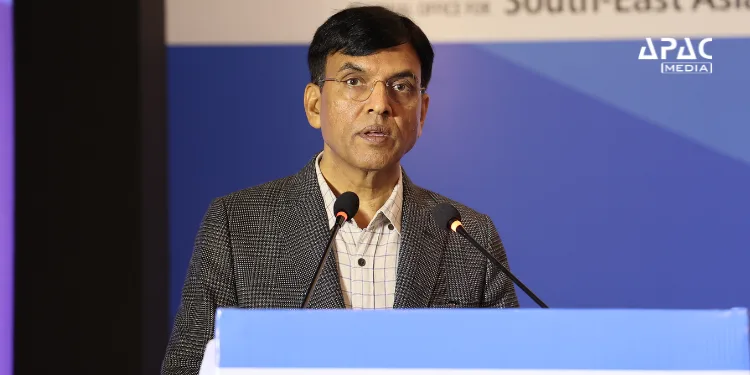
Labour & Employment Minister Mansukh Mandaviya said the draft rules under all four codes will be “pre-published shortly.” He noted that both the Centre and states had earlier issued draft rules, but these were released “a long time ago” and must now be updated to align with current requirements.
Labour, being a concurrent subject, requires both the central and state governments to notify rules before the codes can be fully enforced nationwide.
A senior official said the draft rules will be opened for public consultation for 45 days before being finalised for notification. The government aims to enforce the rules from 1 April 2026, coinciding with the start of the next financial year.
Responding to queries at the session, Mandaviya clarified that the new framework retains the existing eight-hour workday. He added that the codes introduce an option for overtime, which he described as an internationally accepted practice. The four codes replace 29 existing labour laws with a unified system designed to strengthen worker protections, simplify compliance, and support industry operations.
Mandaviya also underlined the government’s push to expand social security coverage to 100 crore workers by March 2026, up from 94 crore currently. Coverage has risen significantly in the past decade, from 19 per cent in 2015 to more than 64 per cent in 2025.
The minister highlighted key provisions such as mandatory appointment letters, free health check-ups for workers aged 40 and above, equal pay for equal work, and equal opportunities for women across shifts, describing the codes’ rollout as the next transformative step for India’s labour ecosystem.













Discussion about this post