

























In Dombivli, Mumbai Metropolitan Region, a hi-tech hospital, rooted in sustainability, stands tall with a 500-bed facility to serve the healthcare needs of the region.
In this interaction, Neelesh Shinde, Group Chief Technical Officer and Head of Projects at Jupiter Hospital, shares with Anannya Saraswat, Correspondent at APAC Media, how the team executed the ambitious Jupiter Hospital Dombivli project in the Mumbai Metropolitan region and overcame key challenges along the way.
Designed with a clear focus on sustainability, safety, and quality, the new facility of Jupiter Hospital was completed in a fast-track mode within 25 months. The project aimed to combine advanced clinical care with environmental responsibility while keeping patients at the centre of every decision.

The vision was simple- To create a hi-tech, patient-centric, green platinum hospital with a 500-bed capacity in the Mumbai Metropolitan region (Dombivali), where sustainability drives excellence with the implementation of proper safety and quality.
Key Challenges in Project Execution
Driving a Vision with a Positive Team Culture
According to Shinde, one of the biggest challenges was “fostering a positive attitude among team members while pushing for an ambitious completion deadline without compromising quality and safety.”

To address this challenge, he stresses the importance of a result-driven leader who leads from the front. “A motivated team is crucial, but it’s equally important to have a positive, result-driven team leader who leads by example and maintains a ‘nothing is impossible’ and ‘we can together achieve any goal’ attitude throughout the project.”
Streamlining Drawings and Execution
Another major hurdle was the timely availability of good-for-construction (GFC) drawings. “Ensuring the timely availability of accurate and constructible GFC drawings to facilitate smooth execution was crucial to the success of the project,” Shinde says.
Shinde shares that to avoid confusion and delays, the team set up a centralised system. All GFC drawings were routed through the architect’s office, creating a single-point contact for coordination. This ensured clarity, faster communication, and smoother site execution.
Balancing Green Goals with Clinical Demands
Creating a green platinum hospital while meeting strict clinical standards required careful planning. Shinde explained that “collaboration with green building consultants and design experts helped strike the right balance.”
Achieving the Environmental, Operational, and Clinical Sustainability
Shinde explains that environmental sustainability in the hospital was embedded in material choices for roof insulation, glazing, acoustic design, and external walls. The team ensured energy efficiency without affecting clinical performance. Patient needs remained the top priority.

“The hospital design includes healing architecture elements such as daylight-filled spaces, connectivity to nature, green open areas, and stress recovery zones. Low-VOC paints, vibration control, strong fire and life safety systems, water conservation measures, and waste segregation from the project phase were integrated into the design,” Shinde informs.
Operational sustainability focused on reducing long-term costs through energy-efficient equipment. The hospital has its own solar power and wind turbine plants, along with a building management system to monitor performance. Smart energy-saving strategies for medical equipment and digitisation tools, such as Revit-based design, daylight and energy simulations, supported efficiency goals.
On the clinical side, indoor air quality was given special attention to reduce infection risks. Safe medication practices were built into operational protocols to support long-term patient safety.
Completing the Dream Against the Clock

Shinde said the team had set an ambitious deadline to complete the project by January 26, 2026, with the inauguration planned for February 15. While the timeline initially seemed demanding, it was achieved through focused coordination, consistent follow-ups, and a strong sense of shared purpose across teams.

“Excavation was completed in December 2023, marking the start of civil work. Daily review meetings, milestone tracking, and strong coordination kept progress on track. Mid-term celebrations helped maintain morale,” Shinde shares, marvelling at how the dream was realised in such a short time span of 25 months!
On February 15, 2026, Jupiter Hospital Dombivli was inaugurated, reflecting teamwork, discipline and a clear vision. The project stands as a model of how sustainability and speed can go hand in hand when backed by strong leadership and unified effort.
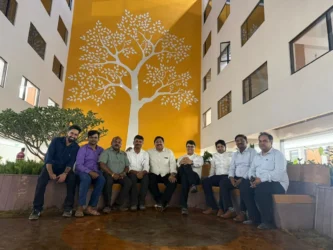
Shinde sums up the execution philosophy through his own definition of the word PROJECT:
P – Positive thinking
R – Rapid decisions
O – One team concept
J – Judgemental approach (solution-based approach for mitigation of various issues)
E – Effective communication
C – Chasing the goal
T – Timeline management

Shinde added that the physical presence and involvement of the owners in design planning and execution made decision-making faster during difficult phases. Strong financial planning also ensured that funding never became a bottleneck.
Completed in record time, Jupiter Hospital now stands ready to meet the growing healthcare needs of patients in Dombivli and the wider MMR region. By combining advanced clinical infrastructure with sustainable design and a clear patient-first approach, the project not only adds capacity but also raises the standard of care available closer to home. It reflects a commitment to building healthcare facilities that are responsive, resilient, and rooted in the needs of the people they serve.














Discussion about this post