










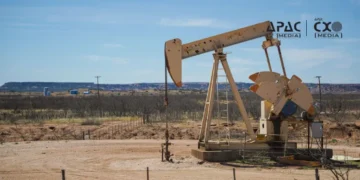









Noida, Apr 21 (APAC Media): Global crude oil prices fell on Tuesday as expectations of upcoming US–Iran talks eased concerns over supply disruptions from the Middle East, even as volatility remained elevated across energy markets.
Brent crude and West Texas Intermediate (WTI) both declined in early trading, reversing gains from the previous session after reports suggested that US and Iranian officials may soon meet to discuss a possible extension of a fragile ceasefire framework.
The earlier rally in oil prices was driven by fears of disruptions in the Strait of Hormuz, a key shipping route handling nearly a fifth of global crude flows.
Market analyst Mehta said, “Crude is currently reacting more to geopolitical headlines than to supply-demand fundamentals, and even a hint of diplomatic engagement between Washington and Tehran is enough to trigger immediate price adjustments.”
Traders said the market is in a risk-reset phase, with short-term optimism over diplomacy offsetting concerns about potential supply shocks in the Middle East.
Brent crude slipped by around one percent to the mid-$94 per barrel range, while WTI eased to just under $89 per barrel, according to trading data.
An energy strategist said, “Until there is a clear and sustained diplomatic breakthrough, oil markets will remain highly sensitive to news flow and geopolitical developments.”
Analysts cautioned that despite the current decline, underlying supply risks remain elevated due to regional instability and intermittent disruptions in key shipping lanes.
Investors are now closely watching developments in US–Iran diplomacy, as well as security conditions in the Strait of Hormuz, for cues on near-term price direction.
Overall sentiment in oil markets remains fragile, with traders balancing hopes of diplomatic progress against persistent concerns over supply security and global demand uncertainty.
Market participants said they expect continued volatility in the coming sessions, particularly as any confirmation of talks or breakdown in dialogue could trigger sharp price movements.
Officials have not yet confirmed the timing or agenda of any US–Iran meeting, but expectations continue to influence market positioning.
Energy markets will remain closely tied to geopolitical developments, with traders monitoring both diplomatic signals and regional security risks.
Any breakthrough in negotiations could stabilize prices in the short term, while setbacks may quickly reverse the current downward trend.
Traders said they will remain cautious until clearer signals emerge from official diplomatic channels and regional developments stabilize. Market outlook remains uncertain in the near-term analysts and traders both said.
News Agency Inputs
Disclaimer: The views and opinions expressed are those of experts and do not represent APAC Media. We are not liable for any financial decisions based on this content. This is for informational purposes only and not financial advice. Readers should consult a qualified financial advisor before investing.
Also Read:
Apple Inc. Names John Ternus CEO in 2026 as Tim Cook Becomes Executive Chairman