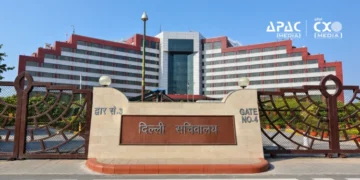
















New Delhi, May 22 (APAC Media): The Delhi Government has prepared a comprehensive power master plan, named Mission 2030, to meet the capital’s rapidly increasing electricity demand over the coming years.
According to officials, Delhi’s peak power demand is expected to reach nearly 11,000 MW by 2030 and could cross 13,000 MW if the adoption of electric vehicles grows at a faster pace.
To support this projected demand, the government is determined to invest nearly Rs 17,000 crore in upgrading and modernising the city’s power infrastructure over the next few years.
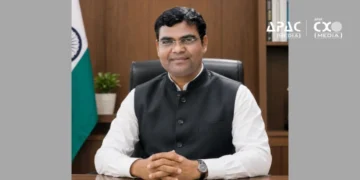
Delhi Power Minister Ashish Sood said the long-term plan was prepared last year to strengthen the capital’s transmission and distribution systems and improve the overall reliability of electricity supply across Delhi.
He said the government aims to spend around Rs 17,000 crore by 2030 to ensure the city’s power network keeps pace with Delhi’s expanding population and rising electricity consumption.
Officials remarked Delhi’s peak electricity demand is likely to cross 9,000 MW this year and may exceed 10,000 MW by 2028.
Under Mission 2030, the government aims to provide uninterrupted 24×7 electricity supply across all parts of the city in every season. The plan also focuses on reducing power outage durations, improving fault restoration systems, and issuing advance alerts to consumers during disruptions.
As part of the modernisation drive, the government plans to gradually shift overhead electricity lines underground in busy and densely populated areas. The upgraded network is also being designed to support the growing use of electric vehicles and rooftop solar panels.
Officials said the plan aligns with central initiatives such as the PM Surya Ghar Yojana and Delhi’s EV policies. The upgraded grid will ensure sufficient power capacity for homes, residential communities, and public EV charging stations. Smart meters and transparent billing systems will also be a major focus under the project.
“To implement Mission 2030 and support the vision of a Viksit Delhi, we need a major modernisation and catch-up programme across the extra high voltage, distribution and automation networks,” Sood added.
The minister further said that the government plans to replace ageing High Voltage Distribution Systems (HVDS) with more reliable Low Voltage Distribution Systems (LVDS), especially in areas where existing infrastructure is more than 25 years old and vulnerable to overloading and short circuits.
Also Read:
Education Ministry Exempts Private Unaided Schools from SMC Guidelines 2026