
















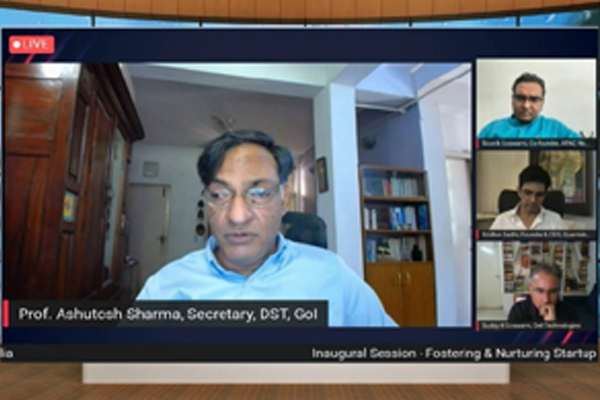
Resilient IT infrastructure has to be in place for startups to grow and meet the demand of the new world order. That has been the crux of discussions at ‘Startup Connect.’ The Department of Science and Technology (DST) supports 140 tech incubators, 3,500 tech startups and the aim is to support 25,000 tech startups in the next five years, said Prof Ashutosh Sharma, Secretary, Department of Science & Technology, Government of India in his keynote address at the APAC Startup Connect virtual event presented by Dell Technologies and Microsoft here on Friday.
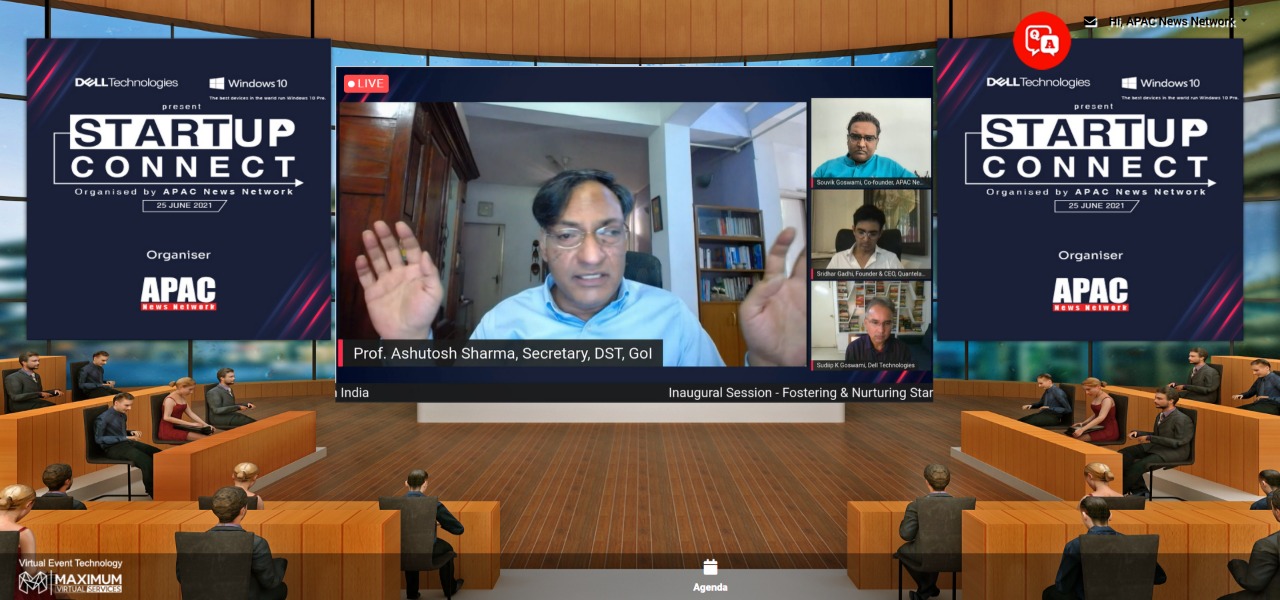
Prof Ashutosh Sharma said what could not be done in the startup area in the last few decades has been in the last five years. The pace at which the startups are growing in India shows the maturity and one could say that startup space has come of age.
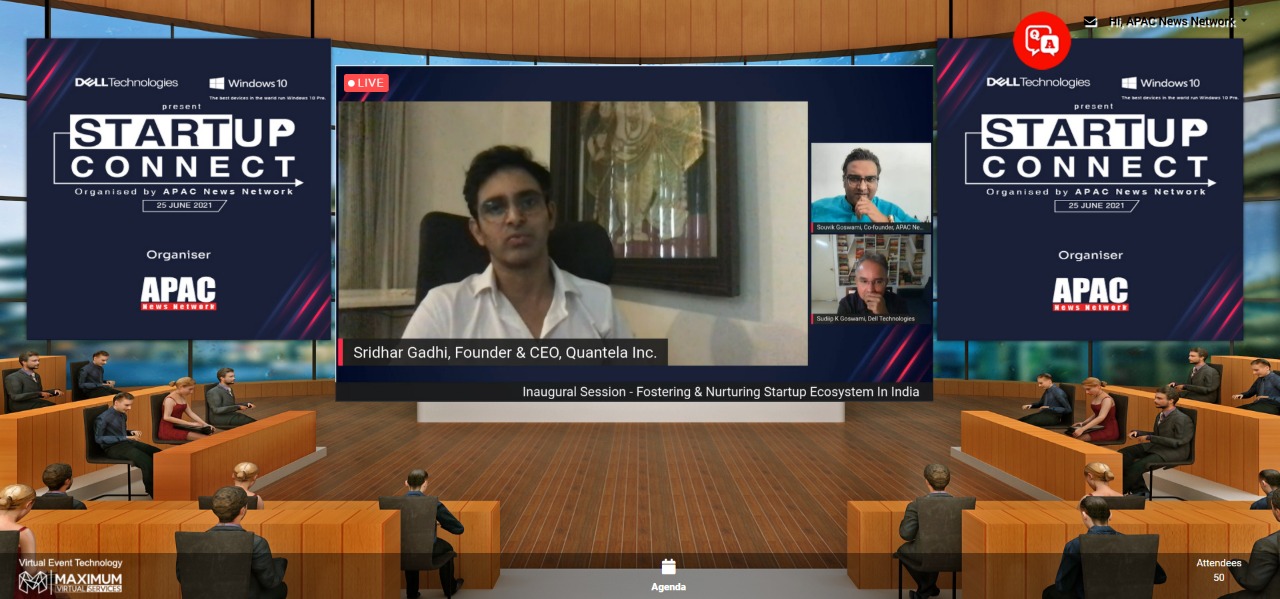
Sridhar Gadhi, Founder & CEO, Quantela Inc said that many startups that did not evolve digitally suffered but citing the example of Quantela that works on smart cities was able to evolve from dashboard to purpose built end to end smart city platform.
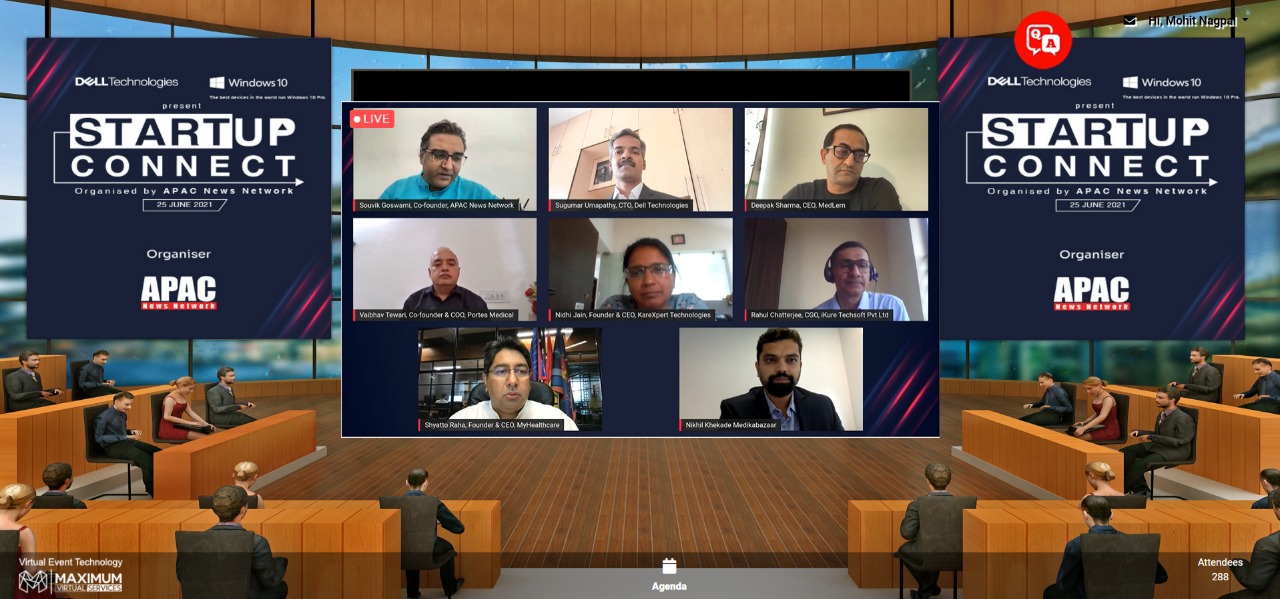
Startups in India across different verticals have stepped up digital infrastructure and in the process managed to reach out to the widest corners of the country and ensured better customer experience. For instance, in the healthtech space, the delivery process has been fractured in the last one year but telemedicine has gone one step ahead. The use of technology BP monitors that are integrated into an App helped to send the data to doctors and the care provider said, Shyatto Raha, Founder & CEO of MyHealthcare.
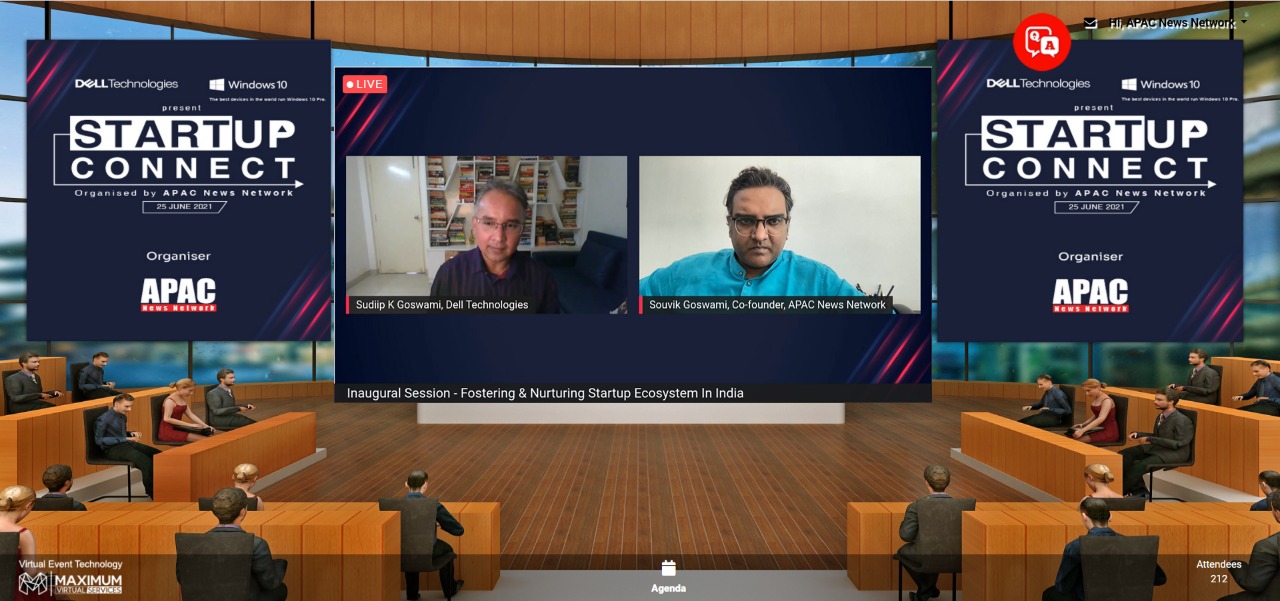
During the past 15 months, several startups scaled up operations thanks to adoption of technology. Speaking about the future, Sudiip Goswami, General Manager & Geo Head-South India Corporate Business at Dell Technologies said, “The future of technology would be automation, AI/ML data driven customer experience, edge computing, industry 4.0, 5G, rapid development and security.” He further added, “We are in touch with 2,600 startups and create product bundles for startups and also jointly go to the market with a few.”
In the past few years, hundreds of startups have come up with 50% of them are in the digital space. Upgrading the digital infrastructure has been the focal point of all startups. “Higher digital adoption will happen. The edtech space is worth over 2 billion dollars,” said Suraj Sapra, Co-Founder & CSO, NoPaperForms. While adaptation of technology and infrastructure is crucial it is also important to keep talent and skill them said, Raghav Gupta – Managing Director – India and APAC – Coursera. He added that Coursera set up a Cloud and IT academy as well.
Interoperability and security issues were discussed and Praveen T, Senior Manager Field Marketing, Dell Technologies said it is important to depend on one vendor to prevent security issues. Sugumar Umapathy, Enterprise Architect & Chief Technology Officer, Dell Technologies said that it is important to ensure multiple levels of security as far as security is concerned.
Like all sectors, the fintech space too has gone in for a major change and the key driver has been technology. Many are heavily depended on cloud. Previously, some companies depended on local data centres. With strong support from regulators all companies are working towards securing data,” said Prakash Padariya, Chief Information Security Officer, PayU. In the past, all thought finance was a bank. The UPI interface came in changed the entire ecosystem, said Piyush Bhan, VP & GM, Salucro. Ashwin Shenoy, Vice President, PayMate said, “New world order has resulted in moving towards cloud but vulnerability index too increases. Multiple layers of security need to be in place. Security is in going to be the number one piece especially with remote working.”
Souvik Goswami, Co-founder and Group Editor, APAC News Network who moderated the sessions said that the purpose of conducting the conclave was to come to terms with the changed realities in the new world order and to understand and deliberate on how startups scale up processes, upgrade digital infrastructure and make a meaningful contribution to the startup ecosystem.