





























In recent weeks, two of India’s largest private lenders, HDFC Bank and ICICI Bank, have found themselves in the spotlight over minimum balance requirements for savings accounts.
HDFC Bank was compelled to issue a clarification after reports suggested it had more than doubled the Average Monthly Balance (AMB) for new metro and urban accounts to Rs 25,000. The bank stated there had been no change in the AMB for its Regular Savings Account, which remains at Rs 10,000, while its premium Savings Max variant continues to require Rs 25,000.
ICICI Bank, on the other hand, initially announced steep new Minimum Average Balance (MAB) requirements—Rs 50,000 for metro and urban branches effective August 1, 2025, for new accounts. Following customer feedback, it revised these limits to Rs 15,000 for metro and urban branches, Rs 7,500 for semi-urban, and Rs 2,500 for rural accounts. The revised rules apply only to accounts opened after 1st August 2025.
Why Banks Raise Minimum Balance Requirements
For banks, increasing the minimum balance is a strategic move to ensure a stable, low-cost deposit base. Higher balances reduce reliance on costlier sources of funding and improve liquidity. It also allows banks to cross-sell financial products such as insurance, investment services, and credit facilities to customers who maintain higher deposits.
Another driver is the need to cover operational costs. Maintaining physical branches, digital banking infrastructure, and customer support involves significant expenditure. By setting higher minimum balances, banks ensure a steady inflow of low-cost funds that can be used to meet these expenses while keeping transaction charges competitive.
Additionally, higher minimum balance norms can help banks lend more. The surplus deposits from accounts maintaining larger balances can be deployed toward loans and credit products, enhancing interest income and strengthening the bank’s lending capacity.
Finally, such policies can also serve as a passive method to weed out inactive or low-usage accounts. Accounts failing to meet the revised requirements may either close or shift to basic variants, allowing banks to streamline their customer base and reduce the administrative burden of maintaining dormant accounts.
Consequences for Customers
For customers, however, higher minimum balance requirements can create financial strain, especially for those in metro and urban areas with rising living costs.
Failure to meet these requirements attracts penalties. While the amounts may seem modest individually, repeated penalties can add up, eroding savings.
Moreover, stricter balance requirements reduce account accessibility for lower-income individuals, potentially discouraging formal banking usage and pushing some customers toward basic savings accounts with fewer features. They also limit liquidity, as a portion of funds must remain idle to avoid charges, reducing flexibility for emergencies or investments.
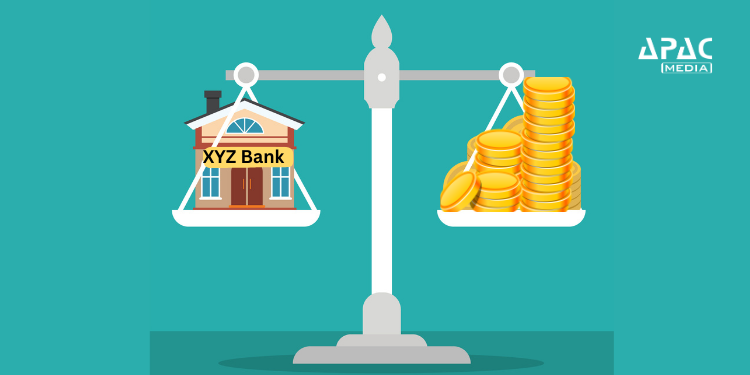
The Balancing Act
While banks benefit from increased operational efficiency and stronger balance sheets through higher minimum balance mandates, the policy risks alienating customers and undermining financial inclusion efforts.
The challenge lies in striking a balance, offering premium services for those who can afford and choose them while keeping essential banking accessible for all.
In a competitive retail banking market, customer-friendly flexibility may prove valuable for sustaining long-term trust.
Also Read
Expanding Semiconductor Footprint: Rs 4,594 Cr Projects in Odisha, Punjab and Andhra Pradesh

















Discussion about this post