














In many rural parts of Maharashtra, students preparing for competitive examinations often struggle with a basic challenge — the lack of a quiet, proper place to study.

Recognising this gap, the Nagpur Zilla Parishad, under the leadership of the Chief Executive Officer, Vinayak Mahamuni, IAS, launched an innovative initiative called Project DREAM — Dedicated Rooms for Empowerment, Awareness, and Motivation.
Conceptualised by IAS Vinayak, the initiative transformed unused and abandoned government buildings into modern digital libraries for rural youth. Instead of investing heavily in new infrastructure, the administration chose to repurpose locked Gram Panchayat offices, old schools, and unused Anganwadi centres into functional learning spaces.
Turning Neglect into Opportunity
While sharing about the initiative on his social media handles, IAS Vinayak informs, “When we visited villages, we found several government buildings lying locked and unused. These were public assets serving no purpose. The idea was simple — utilise what already exists and convert it into something meaningful for people.”
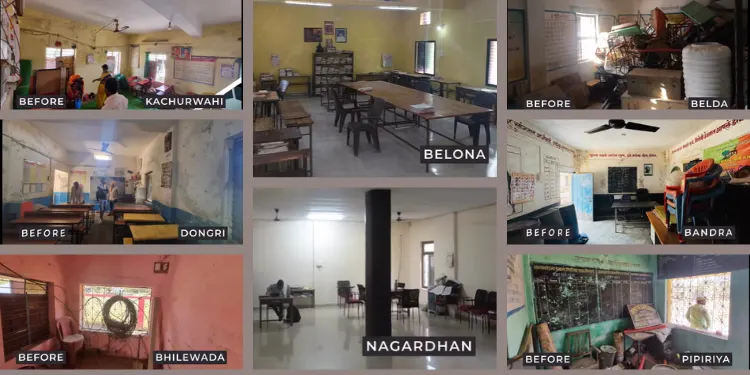
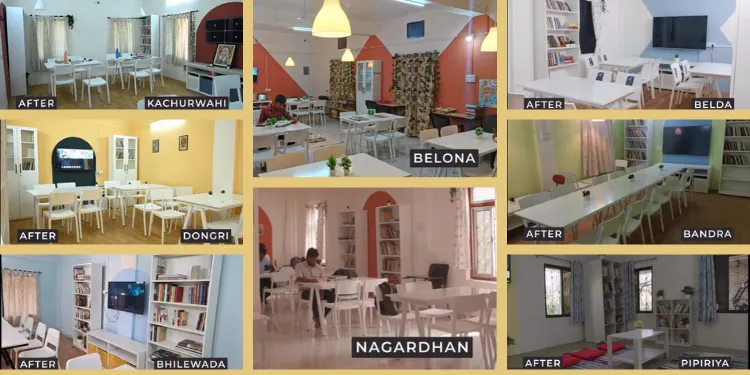
Within just one year, over 100 such buildings were redesigned and converted into smart public libraries across the district. What were once dilapidated structures are now vibrant learning centres equipped with:
More than 700 books in each library
Two computers
Smart televisions
CCTV cameras
AdvertisementInternet and digital learning facilities
Basic repairs and student-friendly interiors
The initiative particularly benefits students from economically weaker backgrounds and young women who often lack supportive study environments at home.
Beyond Infrastructure: Creating Equal Opportunities
Project DREAM is not merely about renovating buildings. It is about creating equal opportunities for rural students aspiring to build better futures through education and competitive examinations.
The libraries are designed to provide an enabling environment where students can study with dignity, focus, and access to modern learning tools.
To ensure sustainability, a nodal officer has been assigned to each library, dedicated maintenance funds have been earmarked, and “Village Library Committees,” comprising villagers and local youth, have been formed to oversee upkeep and promote community participation.
A Model of Participatory Governance
The success of Project DREAM reflects how innovative governance, community ownership, and optimum utilisation of public resources can create meaningful social impact at minimal cost.
The initiative has now expanded beyond libraries to include ICT labs, upgraded Anganwadis, Gurukul learning centres and community welfare projects, making it a notable example of grassroots governance focused on education, empowerment, and rural transformation.