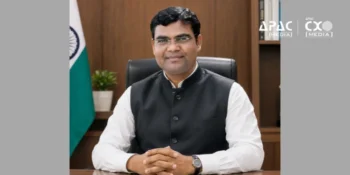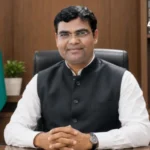
















New Delhi: Union Minister for Power and New & Renewable Energy, RK Singh, recently engaged with power sector stakeholders in New Delhi to assess thermal power capacity augmentation and facilitate solutions to industry challenges.
Attendees included officials from the Ministry of Power, state governments, Central Electricity Authority, public sector enterprises (NTPC, REC, PFC, BHEL), and industry participants, encompassing independent power producers and vendors.
During the meeting, the minister disclosed the government’s commitment to add 80 GW thermal power capacity by 2031-32, emphasising its necessity to meet the escalating power demand driven by economic growth.
Singh outlined the imperative for 24×7 power availability, highlighting that renewable sources alone cannot suffice, necessitating the addition of coal-based thermal capacity. The minister announced plans to commence work on at least 55 GW – 60 GW of thermal capacity, exceeding the initially planned 25 GW addition.
Referring to the National Electricity Plan projections for 2022-32, Singh highlighted the need for 283 GW of coal and lignite-based capacity by 2031-32, compared to the existing 214 GW. He urged states with thermal capacity to ensure timely maintenance, renovation, and modernisation, cautioning that failure to do so would result in the absence of central reserve power allocation.
Addressing industry representatives, Singh encouraged them to prepare for a continuous stream of orders over the next 5-7 years, emphasising the importance of indigenous development. He asserted that thermal energy remains crucial until energy storage becomes cost-effective for round-the-clock renewable energy supply.
The minister informed that those not expanding capacity would miss a golden opportunity, considering the sector’s excellent business environment. “We have put in place a payment security mechanism which does not have any parallel anywhere in the world. Payment is guaranteed within 75 days; current dues are 100% up to date,” he said.
He assured the industry of a strong payment security mechanism, highlighting the demand-supply balance favouring suppliers for the next 20-25 years.
Acknowledging concerns raised by EPC vendors, including GE and L&T, about the bidding process, Singh promised a review of these issues. Other concerns, such as credit shortages, bank guarantees, and technical specifications, were also addressed. Singh urged vendors to submit their concerns for collaborative solutions.
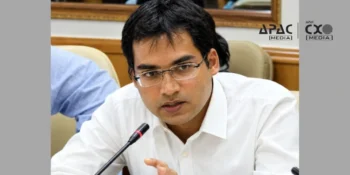
Power Secretary Pankaj Agarwal affirmed the enduring relevance of thermal energy until 2047, citing the necessity of adding at least 80,000 MW by 2031-32. He urged equipment providers to anticipate non-solar-hour challenges and encouraged the private sector to proactively seize opportunities for capacity addition.