


























Mumbai: The Maharashtra cabinet has cleared the state’s Electric Vehicle (EV) Policy 2025, laying out financial incentives and infrastructure targets aimed at supporting the state’s shift to cleaner transportation by 2030.
The EV policy, which will remain in effect until 2030, includes a total allocation of Rs 1,993 crore.
This funding will support subsidies for EV buyers, charging infrastructure, and operational support for public and private EV usage across vehicle segments. Chief Minister Devendra Fadnavis chaired the cabinet meeting that approved the policy.
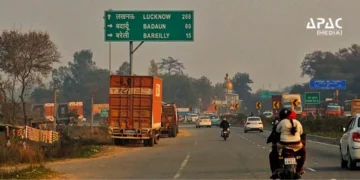
Key infrastructure support includes the installation of charging stations every 25 kilometres along national highways to support inter-city EV movement.
Subsidies for Multiple Vehicle Segments
Under the Clean Mobility Transition Model, the policy provides:
A 10 per cent purchase subsidy for electric two-wheelers, three-wheelers, four-wheelers, and buses operated by state and civic bodies.
A 15 per cent subsidy for goods-carrying electric three-wheelers, four-wheelers, and electric tractors.
100 per cent waiver on registration fees for all EV categories.
This structure aims to address both consumer and commercial EV segments, with a focus on making electric mobility more financially viable across urban and rural areas.
Toll Concessions on Key Routes
Toll exemptions have also been introduced to improve cost-effectiveness for EV users:
Full toll waivers for electric four-wheelers and buses on the Mumbai–Pune Expressway, Atal Setu, and Samruddhi Mahamarg.
50 per cent toll reduction on other national and state highways for all EV categories.
Policy Targets Adoption and Manufacturing Growth
While the policy aims to drive EV adoption, it also sends a signal to EV manufacturers regarding Maharashtra’s long-term commitment to clean mobility. The state expects that consistent subsidies and regulatory support will attract more EV-related investments and production within its boundaries.
The policy represents a structured push toward pollution control and carbon reduction rather than a short-term adoption plan. With the long-term roadmap extending to 2030, Maharashtra appears to be aligning its transport strategy with broader climate and economic goals.











Discussion about this post