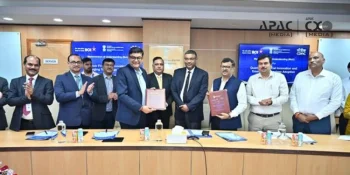














New Delhi: Tata Technologies has partnered with US-based Emerson to jointly develop integrated testing and validation solutions aimed at the evolving needs of automotive, aerospace, and commercial vehicle sectors. The move, announced on July 9, is positioned to support global original equipment manufacturers (OEMs) in addressing the growing complexities of next-generation mobility, particularly as the shift toward software-defined, electric, and autonomous vehicles gathers pace.
The partnership combines Tata Technologies’ expertise in systems engineering, electrical and electronic (E/E) architecture, and mobility platforms with Emerson’s test and measurement technologies. The goal is to help manufacturers accelerate development cycles, improve validation processes, and control costs as the global automotive sector transitions to more connected and autonomous vehicle platforms.
According to Tata Technologies, the joint effort is designed to support rapid and intelligent validation of new vehicle technologies. This includes software-defined vehicles, electric drivetrains, and autonomous driving features, sectors that continue to see increased investment from OEMs amid tightening regulatory norms and shifting consumer demand.
Industry observers note that as mobility solutions become more complex and data-driven, integrated testing processes are essential for reducing time-to-market while ensuring safety and compliance. The collaboration could help streamline these processes for manufacturers operating across global markets.
The Emerson partnership comes shortly after Tata Technologies was selected as a strategic supplier by Swedish automaker Volvo Cars in June. Under that agreement, Tata Technologies will deliver product engineering, vehicle systems, embedded software, and product lifecycle management support from its global delivery centers in India, Sweden, Romania, and Poland.
The back-to-back partnerships signal Tata Technologies’ continued focus on expanding its role in the software-driven automotive supply chain, especially as the industry increasingly relies on digital engineering and advanced validation capabilities.