


















































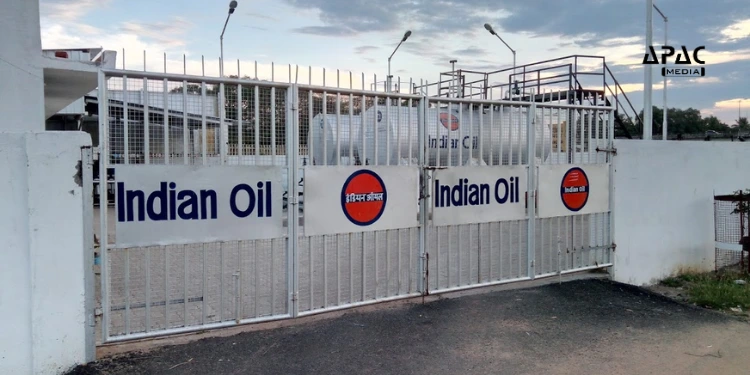
New Delhi: Indian Oil Corporation (IOC), the country’s largest refiner, will commence production of sustainable aviation fuel (SAF) this December at its Panipat refinery complex in Haryana.
The new unit, with an annual capacity of 35,000 tonnes, is expected to meet the entire requirement for SAF blending in international flights from India by 2027, according to reports.
India has outlined a gradual adoption plan for SAF, beginning with a mandate of one per cent blending in jet fuel for outbound international flights by 2027, which will increase to two per cent in 2028.
While SAF is projected to be nearly three times more expensive than conventional aviation turbine fuel (ATF), Sahney noted that airlines will have to procure it to comply with regulatory obligations. Should domestic demand fall short, IOC will explore export opportunities.
The company’s Panipat facility will use used cooking oil (UCO) as the primary feedstock for production. India already has a large collection network for UCO, sourced mainly from restaurants, hotel chains and snack makers. At present, much of this oil is exported, but IOC plans to channel it into SAF production.
The refinery’s SAF unit has also secured ISCC CORSIA certification, an international standard necessary for commercial aviation fuel production. IOC is currently the only company in India holding this certification for UCO-based SAF, valid for one year. With this, the company is positioning itself at the forefront of India’s transition towards greener fuels in the aviation sector.











Discussion about this post