


















New Delhi: The Centre is preparing to roll out an upgraded version of the Pradhan Mantri Kisan Urja Suraksha evam Utthaan Mahabhiyan (PM-KUSUM) to further expand renewable energy adoption in the agriculture sector, Union Minister Pralhad Joshi said.
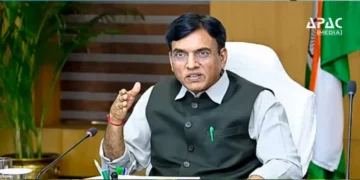
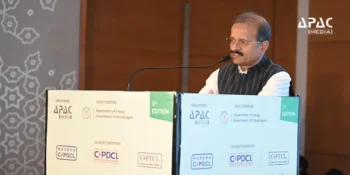
Addressing the 4th National Agro-RE Summit in the national capital, the minister indicated that the government is working on PM-KUSUM 2.0, which will aim to increase solar capacity and provide farmers additional opportunities to generate electricity from their land without disrupting agricultural activity.
The original programme, introduced in 2019 with a financial allocation of Rs 34,422 crore, was designed to promote solar power use in farming and reduce the cost of irrigation by encouraging solar pump adoption and decentralised renewable energy generation. The initiative targets the installation of 34,800 MW of solar capacity by March 2026.
Implementation of the scheme so far has led to the installation of over 10 lakh standalone solar pumps for agriculture, while more than 13 lakh grid-connected pumps have been converted to run on solar power across different states.
According to reports, Joshi noted that the current programme is approaching its scheduled deadline, prompting the government to consider an expanded second phase. The proposed PM-KUSUM 2.0 is expected to feature larger capacity targets and enhanced financial support to accelerate renewable energy deployment in rural areas.
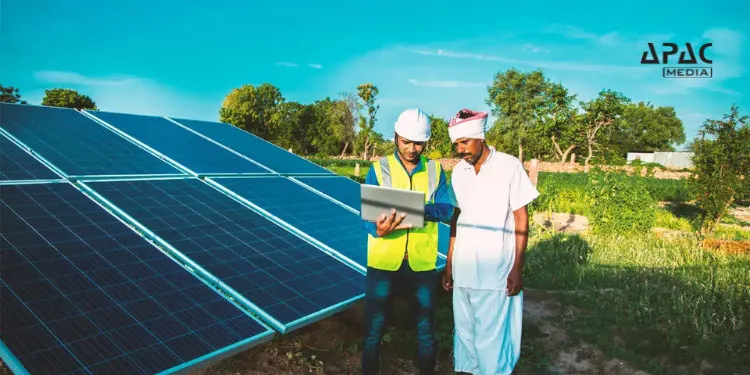
A key component under consideration is the addition of 10 GW of agri-photovoltaic (agri-PV) capacity, which would allow solar panels to be installed above or alongside crops. This model enables farmers to continue cultivation while simultaneously producing clean electricity.
According to the minister, several states are already in discussions with the Ministry of New and Renewable Energy to strengthen the implementation of the scheme and expand solar-based agricultural infrastructure. The planned expansion is aimed at improving farm income opportunities while supporting India’s clean energy transition.














Discussion about this post