









Summarize with:
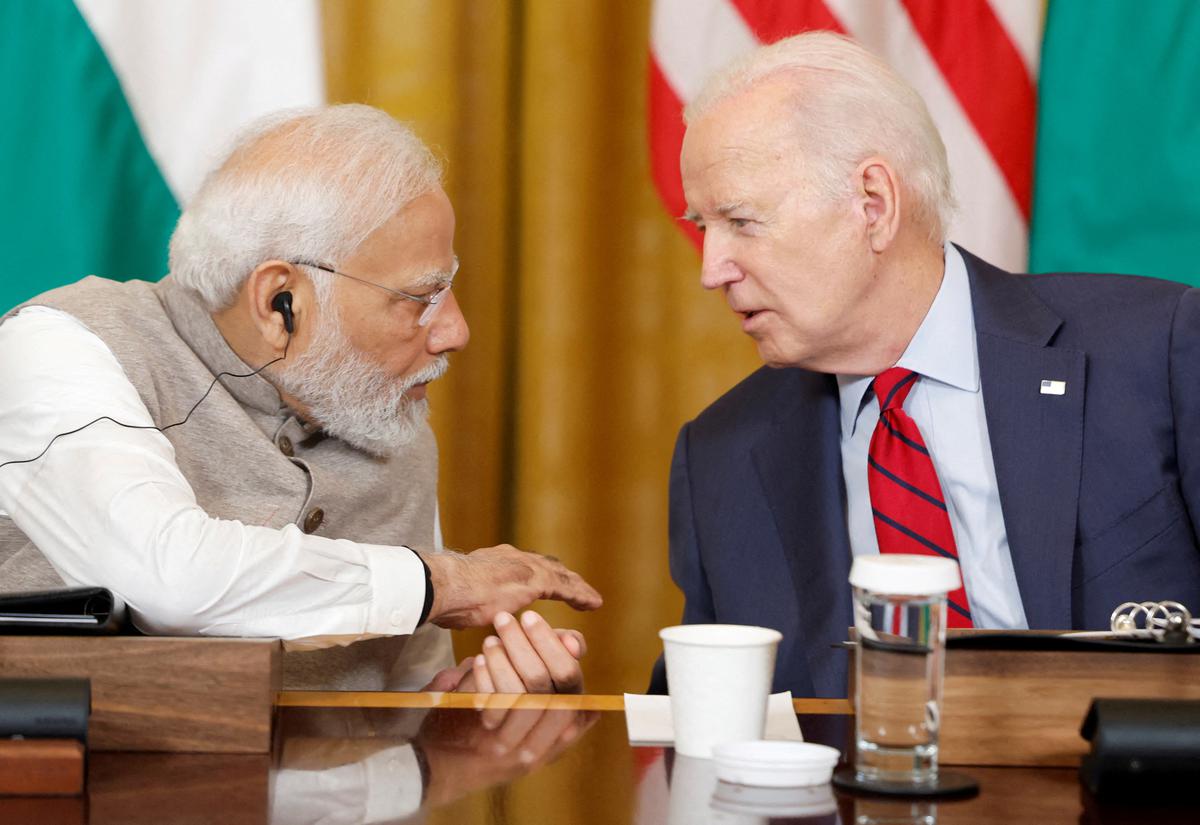
New Delhi: PM Narendra Modi plans to discuss reforms for multilateral development banks (MDBs), import restrictions on laptops along with a range of other technology and defence issues with US President Joe Biden on Friday at the G20 Sidelines of the G20 Summit.
The priority on the Modi-Biden meeting agenda is the discussion on reshaping and scaling up of MDBs, especially the World Bank and the International Monetary Fund. The current US administration believes these institutions are among the most effective global tools for mobilising transparent and high-quality investment in developing countries. India though does not concur and feels that MDBs are ill-suited for the 21st century and are unable to address challenges like climate change, pandemics, fragility and migration, which require new financial capacity and approaches.
Securing the agreement of member countries to implement the $200 billion capital adequacy framework as part of MDB reforms was always one of the top deliverables of the G20 Finance Track under India’s Presidency. India has diplomatically convinced many countries to contribute more funds to create room for additional lending. According to a report by the G20 independent expert group on strengthening MDBs, an additional spending of around $3 trillion per year is needed until 2030.
The US President will also likely address the import restrictions imposed by India on foreign-made laptops and other electronic items. India had cited “security risks to citizens” as the primary reason for imposing these restrictions on several electronic items, including laptops, tablets, PCs, and servers, starting from November 1. However, reducing exposure to Chinese imports and promoting local manufacturing could also have been motivating factors.
Both India and the US will also review the agreements signed during Modi’s recent state visit there. Several agreements covering defence deals, semiconductors, critical minerals, cooperation in critical and emerging technology, AI, quantum computing, telecom, and space cooperation were signed during that visit.
Summarize with:












Discussion about this post