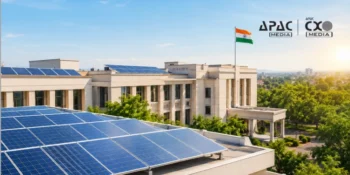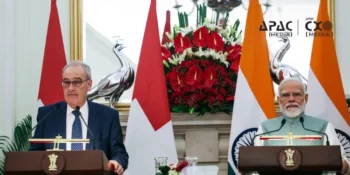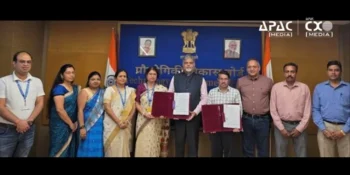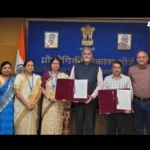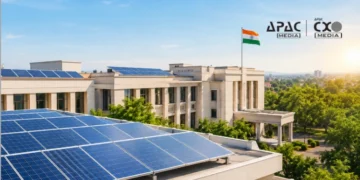


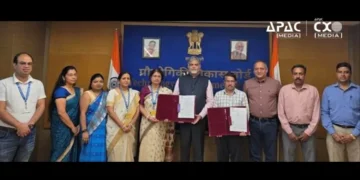















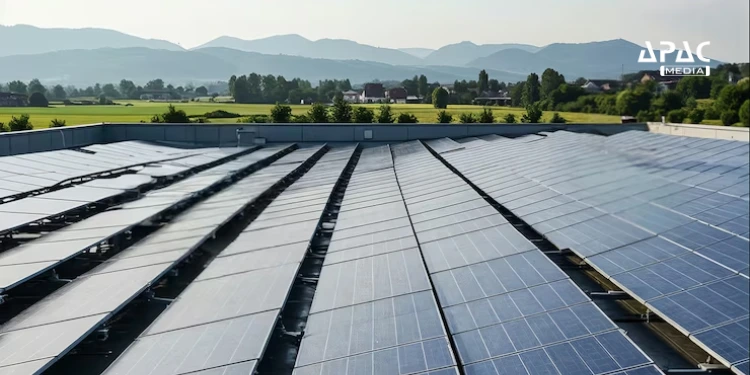
Bikaner: NLC India Renewables Ltd (NIRL), a subsidiary of NLC India Ltd (NLCIL), has signed a Power Purchase Agreement (PPA) with Rajasthan Rajya Vidyut Utpadan Nigam Ltd (RVUNL) for the supply of 810 megawatts (MW) of solar power. The power will be sourced from NIRL’s upcoming solar project at the Pugal Solar Park in Bikaner, Rajasthan.
Large-scale solar procurement under state utility
The agreement comes at a time when states are increasingly seeking long-term clean energy contracts to meet national and local renewable energy targets. Under this PPA, RVUNL will secure solar power at a predetermined tariff for a fixed duration, contributing to Rajasthan’s decarbonisation roadmap and national commitments under India’s renewable energy goals.
The Pugal Solar Park is expected to emerge as a significant solar generation hub in western Rajasthan. The region already hosts a cluster of solar energy projects due to its high solar irradiation levels and availability of barren land.
Focus on utility-scale renewable generation
NIRL’s engagement with RVUNL aligns with its broader strategy of scaling utility-scale renewable projects. Apart from ground-mounted solar, NIRL is also developing rooftop solar systems, floating solar installations, and wind power projects across multiple states.
The company operates as the renewable energy arm of NLCIL, a Navratna public sector enterprise under the Ministry of Coal. NLCIL has been gradually expanding its non-conventional energy portfolio to support India’s transition to low-carbon energy sources.
Context within India’s energy landscape
India has set a target to achieve 500 GW of non-fossil fuel-based capacity by 2030. Agreements like the one between NIRL and RVUNL represent a trend in state utilities moving towards stable, large-scale renewable power procurement instead of relying heavily on spot markets or smaller, fragmented sources. With Rajasthan already being one of India’s leading solar energy producers, the state’s tie-up with a central PSU like NIRL adds institutional backing to its long-term energy strategy.