






















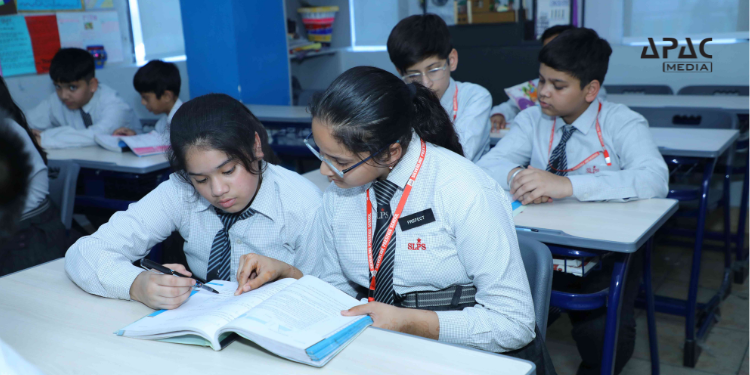
New Delhi: CBSE will introduce mandatory skill education for students from Classes 6 to 8 starting the 2024–25 academic year, marking a structured push toward practical, work-based learning in affiliated schools. The move follows the National Education Policy 2020, which encourages experiential learning and aims to balance academic study with real-life skill development.
Under the new framework, students will take part in activities involving living organisms, basic mechanical tasks, and human-service-oriented work. These projects are meant to help students apply classroom concepts in everyday situations. To support this shift, CBSE has instructed schools to adopt the NCERT-developed Skill Bodh book series, which will be available in both print and digital formats this semester.
Each student will complete three projects annually—one from each core category: living organisms, machines and materials, and human services. Over the three-year cycle, students will complete nine projects that collectively amount to around 270 hours of hands-on learning. Schools are expected to set aside roughly 110 hours a year, or about 160 periods, specifically for skill education, with two consecutive periods each week allocated to the subject. Schools may choose three out of six suggested projects based on their local resources and feasibility.
To enable effective implementation, CBSE plans to work with NCERT and PSSIVE to train teachers at scale, focusing on building practical and instructional capacities required for the programme. At the end of each academic year, schools will conduct a Skills Fair where students present their work, allowing parents and teachers to assess practical progress.
Assessment will follow a diversified structure, combining written exams (10%), viva or presentations (30%), activity-based work (30%), portfolios (10%) and teacher observations (20%). The model places emphasis on participation, problem-solving, collaboration and consistency rather than rote learning alone.
CBSE expects the shift to give students early exposure to functional skills and to embed applied learning in middle-school education. The board maintains that introducing structured practical work at this stage will help students better understand concepts and develop confidence in handling everyday tasks.


Discussion about this post