

























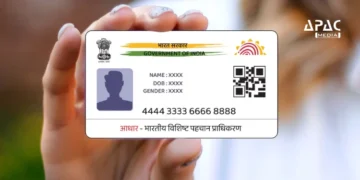



New Delhi: The Department of Telecommunications (DoT) has made it mandatory for all mobile handset manufacturers and importers to pre-install the Sanchar Saathi app on devices manufactured or imported for use in India.
The directive seeks to curb the sale of counterfeit phones, prevent misuse of telecom resources and improve the effectiveness of the Sanchar Saathi initiative.
According to DoT, mobile makers must:
Ensure that the Sanchar Saathi mobile application is pre-installed on all mobile handsets manufactured or imported for use in India.
Ensure that the pre-installed Sanchar Saathi application is readily visible and accessible to the end users at the time of first use or device setup and that its functionalities are not disabled or restricted.
For devices already in sales channels, the manufacturer and importers of mobile handsets shall endeavour to push the App through software updates.
The Direction mandates completion within 90 days and submission of compliance reports within 120 days.
Following the directive, users expressed concerns about the permissions sought by the app, including access to SMS, device ID, phone and camera.
In response, a senior government official told APAC Media that the app has limited access to phone data, strictly controlled by user permissions.
“The Sanchar Saathi app has limited access to phone data and that too only to the extent the citizen permits it in each interaction of reporting fraud through the permissions granted,” the source said.
Why Basic Permissions Are Needed
Make & Manage Phone Calls: App uses this to check the active SIM in the phone before starting the registration process… App does not use this for anything else that may be enabled by this permission.”
Send SMS: App uses this to complete user registration. This is a one-time SMS, similar to OTP verification processes used by banking apps, UPI applications and communication platforms. App does not use this for anything else that may be enabled by this permission.”
These two basic permissions enable users to:
- Know how many mobile connections are registered in their name
- Report spoofed international calls that “show up as +91xxxx but originate from abroad”
Advanced Permissions – Only If User Chooses
The official stressed these are optional: “Camera to take a picture and upload (such as IMEI number printed on box) as chosen by user (for checking genuineness of handset).”
Permissions also allow users to
- Send a captured screenshot of the fraud call or SMS (as chosen by the user as evidence of receiving the fraud call/SMS).
These allow the app to
- Check genuineness of a mobile handset
- Block a stolen handset (even remotely through another phone or portal)
- Report fraud through a specific call number
- Report fraud through a specific SMS
No Hidden Data Collection, DoT Emphasises
To counter misinformation circulating online, the official asserted: “The app is designed not to have any access to contacts, other apps, or any other private data of the user that is specifically not permitted by the user in every interaction of reporting fraud of the user with the App.”
“The app does not harvest any other data on its own based on permissions granted,” the source said, adding that “citizens have the choice to remove any permission any time or deregister any mobile number registered on the App and also to uninstall the App”.
The government plans widespread awareness campaigns as the app becomes a default feature on India’s mobile devices.












Discussion about this post