



















New Delhi: The Ministry of Power released the Draft National Electricity Policy (2026), proposing a series of measures aimed at improving the financial health of the power sector, strengthening data-driven planning, and addressing emerging cybersecurity risks.
The draft policy has been placed in the public domain for a 30-day consultation period.
The policy seeks to ensure round-the-clock, quality power supply through a financially viable and environmentally sustainable electricity sector. A key proposal calls on state electricity regulatory commissions to ensure that tariffs fully reflect costs from the next financial year, without creating regulatory assets arising from unrecovered discom revenues.
To curb losses, the draft recommends progressively reducing cross-subsidies and ensuring tariffs do not fall below 50 per cent of the average cost of supply. It also advises against free power, stating that subsidies should be provided in advance as per existing norms.
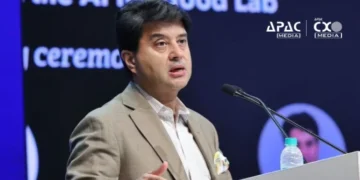
Speaking at the All India Discoms Association’s EDICON 2026 conclave, Union Power Minister Manohar Lal Khattar said that the failure of states to provide subsidies directly leads to discom losses. The draft estimates investment needs of Rs 50 lakh crore by 2032 and Rs 200 lakh crore by 2047.
It also proposes robust data-sharing frameworks and cybersecurity norms, while the Electricity (Amendment) Bill, 2026, is expected to be tabled in the budget session.