













Bengaluru, June 28(APAC Media): ISRO has successfully completed another key test of its next-generation semi-cryogenic rocket engine, moving a step closer to upgrading India’s heaviest launch vehicle and increasing its satellite launch capability.
ISRO Semi Cryogenic Engine Test
The Indian Space Research Organisation (ISRO) carried out a hot test of the Semi-Cryogenic Engine Power Head Test Article (PHTA) at the ISRO Propulsion Complex in Mahendragiri, Tamil Nadu, on June 24. The agency said the engine operated steadily at 175 tonnes of thrust, around 88% of its planned full capacity.
The latest test is the eighth in a series of ground trials designed to validate the engine’s performance before a full-scale demonstration. Earlier tests were conducted at 94 tonnes and 120 tonnes of thrust. During the latest trial, engineers also achieved turbopump outlet pressures of 400 and 500 bar, with all major parameters performing as expected.
Why The Engine Matters
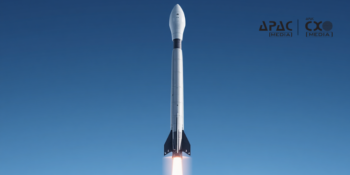
The semi-cryogenic engine, known as the SE2000, is designed to generate 2,000 kilonewtons of thrust and will power the new SC120 propulsion stage. Once operational, the stage will replace the existing L110 core stage used on the LVM3 launch vehicle.
ISRO expects the new propulsion system to improve payload capacity while using liquid oxygen and refined kerosene, a propellant combination that is considered more efficient and easier to handle than conventional alternatives. The successful test has also cleared the way for the organisation to prepare for a full-thrust demonstration at 200 tonnes.
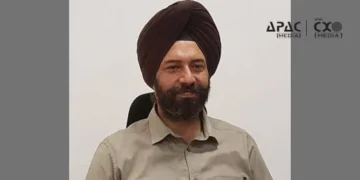
Separately, ISRO Chairman V. Narayanan said the organisation is now preparing for the complete engine test. He also said satellites for upcoming missions are ready and launch schedules will be announced soon.
Narayanan also provided an update on the Gaganyaan human spaceflight programme, stating that three uncrewed missions must be completed before astronauts are sent into space. He said the first uncrewed mission is under preparation, with mission dates expected to be announced shortly.
Also Read: Amazon to Invest $48 Billion in India by 2030 After CEO Andy Jassy Meets PM Modi