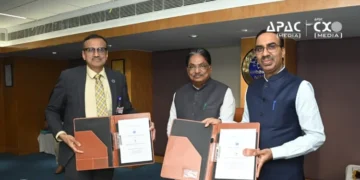
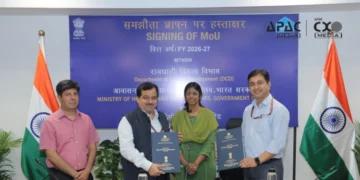


















New Delhi, July 16 (APAC Media): The Ministry of Ayush has signed a Memorandum of Understanding (MoU) with the University of Delhi (DU) to promote scientific research, innovation, and the sustainable use of India’s medicinal plant resources.
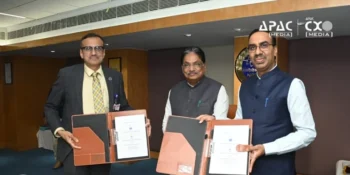
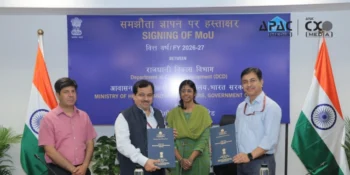
The agreement, signed between the National Medicinal Plants Board (NMPB) and Delhi University’s Bhaskaracharya College of Applied Sciences (BCAS), aims to strengthen collaboration between academia and industry while encouraging the development of herbal products, sustainable packaging solutions and farmer-centric technologies.
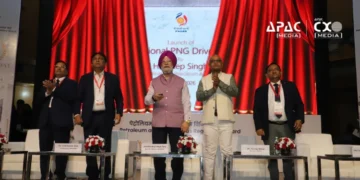
The MoU was signed at Kartavya Bhawan in New Delhi in the presence of Union Minister of State (Independent Charge) Ayush, Prataprao Jadhav.
Focus on Research and Sustainable Innovation
Under the partnership, the two institutions will work together on scientific research, product development, value addition, post-harvest technologies, technology transfer, and capacity building.
The initiative also seeks to integrate India’s traditional medicinal knowledge with modern scientific research to ensure the sustainable conservation and utilisation of medicinal plant resources.
Describing the collaboration as a significant milestone, Prataprao Jadhav said it would strengthen research, promote innovation and unlock the vast potential of India’s medicinal plant ecosystem.
He added that the initiative aligns with the vision of building a healthier, self-reliant and developed India by 2047.
Supporting Farmers and Green Technologies
NMPB Chief Executive Officer Mahesh Dadhich said research-driven innovation can improve the medicinal plant value chain while creating better income opportunities for cultivators.
He also highlighted the scope for developing eco-friendly, medicinal plant-based packaging materials as sustainable alternatives to conventional aluminium-based and environmentally harmful packaging.
With the expansion of medicinal plant cultivation in ecological zones and riverine areas can contribute to biodiversity conservation, ecological restoration and sustainable livelihoods for farming communities.