



















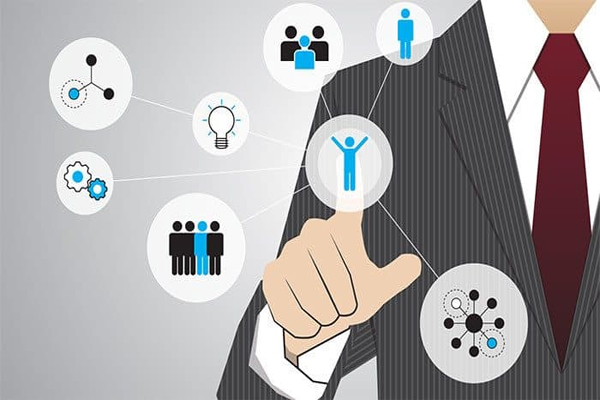
Be it the ongoing pandemic or the rapid evolution of technology, disruptive forces are constantly altering our way of life and work. Modern digital technologies are pervasive in our daily lives, altering everything from how we commute to how we work, and even the work we do.

Senior VP Customer Success & Delivery, Darwinbox
Over the last few years, HR teams have acknowledged the need for staying nimble and fluid across the enterprise, breaking down silos, and promoting intentional collaboration with a spirit of disrupting old solutions. The future of HR Tech is moving towards helping organizations gain the capability, agility, and cultural readiness to deliver business value.
Companies are rethinking how they create jobs, structure work, and prepare for future expansion which is evident from the increase in investments in HCM platforms. The HR technology marketplace is now a $400 billion market globally. HR teams are seeking technology platforms that are easy to use, compostable by design, and configurable to put the power in their hands.
The workforce itself is also evolving. With the rise of hybrid working models and gig workers, enterprises with a multi-generational workforce now have the freedom to get the best people into the most important roles, from anywhere in the world.
A global workforce also comes with challenges, tackling employee engagement being perhaps the largest of them all. Companies are acknowledging that better employee experience can directly influence the bottomline. Success for organizations and HR teams lies as much in collaborating with HR technology platforms to create personalized & mobile-first experiences, and in empowering managers &employees through self-service. Democratization of HR becomes a must-have for businesses as employees need transparency of process and connect to the higher purpose.
Further, the changing user expectations on ‘seamless experience’, demands embedding of tools in the flow of work. From a technical standpoint, interaction between HR core with smart service delivery layer to solve day-to-day business use cases is now tablestakes for companies. As Work Tech and HR Tech comes together, marketplaces by cloud providers areopening a plethora of extensions for enterprises to handpick and choose things based on the business requirements.
The key to being future proofis already in the business’ hands i.e. enterprise view oftalent data. Insights into talent data, such as skills and competency needs, continue to be intelligently used to drive development and learning. This is important toretain and develop talent, andrecruit and onboard fresh talent too.
Personalized insights or dashboards with AI-based smart predictions or recommendations will empower employees at all levels to make better decisions that ultimately influence business outcomes. Business and HR leadership of organizations need to develop a new way of working, a lifestyle of HR anchored on storytelling with data to drive organizational change.
In integrating work, workplace and the workforce, the need for Mobility (ability to move right talent to critical roles), Learning Agility (ability to build capability faster) and Org Change (enabling improved collaboration with new ways of working), will continue be the key themes for the HR function. Each HR organization will begin its journey to the future of HR at a different point, with varying definitions of what constitutes a “successful future.” Organizations which will use Digital HR tools smartly to accelerate to the defined “successful future” by challenging the status quo on process-policy, HR operating model and ways of working will see acceleration and success.
Disclaimer: The views expressed are the author’s own and APAC News Network is not responsible for any of them.












Discussion about this post