




















The Finance Minister Nirmala Sitharaman’s Budget 2023 focused significantly on healthcare, though the jury is out on the impact of the measures. There has been a mixed response from the different stakeholders in the sector.
The FM emphasized on the 220 crore COVID vaccinations that were given to 102 crore persons. The other key announcements included the launch of a mission to eliminate sickle cell Anemia by 2047 to create awareness creation and universal screening of 7 crore people under the age of 0-40.
Three centres of excellence would be established for artificial intelligence to enable ‘Make AI for India’ and ‘Make AI work for India’ to enhance India’s digital prowess. The National Data Governance policy will be introduced which will enable access to anonymized data.
More specifically, facilities in select ICMR labs will be made available for research by public and private medical faculties. Dedicated multidisciplinary courses for medical devices will be implemented and supported by the government in institutions to ensure skilled manpower for futuristic medical tech and high end manufacturing and research. Last but not the least, 157 new nursing colleges will be established in core locations.
The initiatives announced to strengthen the digital healthcare infrastructure will prove to be beneficial for the healthcare sector in the years to come. The mission to eliminate sickle cell anemia by 2047, income tax rebates and disposable income to be channeled to essential items – healthcare being one, are laudable efforts undertaken by the government.
Hospitals Respond Positively
 Dr Ashutosh Raghuvanshi, MD & CEO, Fortis Healthcare concurred, “This year’s budget has set the pathway for India to achieve universal health coverage. We welcome various initiatives announced by the honorable Finance Minister to address the long-standing gaps of the Indian healthcare ecosystem. On the healthcare front, the budget focuses on the opening of 157 new nursing colleges and using existing facilities in select ICMR labs for research by public & private medical facilities. The announcement of dedicated multidisciplinary courses for medical devices in existing institutions to ensure the availability of skilled manpower for futuristic medical technologies and high-end manufacturing will play a pivotal role in strengthening the healthcare sector.”
 Dr. Prathap C Reddy, Founder Chairman, Apollo Hospitals Group agreed. “Caring for the wellbeing of citizens is integral to nation building, India stands tall for putting people first, and this Union Budget, the first in the Amrit Kaal, resonates with this ethos. India’s economic growth is amongst the highest in the world and a defining edge is the youthful demography. Therefore, the impetus on skilling is noteworthy. Also, it is heartening that 157 new nursing colleges will be established as it will contribute to improving the nurse-patient ratio, a step in the right direction towards Universal Health Coverage. It is also a right step towards India building a global workforce, to serve the world. Our nation’s digital infrastructure helped us ably manage the biggest crisis of the era – the COVID-19 pandemic. Now, the establishment of centres of excellence for Artificial Intelligence will work to add much greater impetus to India’s digitization focus. Likewise, the 100 labs that will be setup for developing apps using 5G services across sectors including healthcare, will be beneficial in accelerating access to care, for all our citizens.”
 Probal Ghosal, Executive Chairman, Ujala Cygnus Group of Hospitals welcomed the Finance Minister’s proposal regarding establishing 157 new nursing colleges is a welcome move. “As we know, several new hospitals are opening every year, but there is a dearth of skilled healthcare workers. So, this move will help to fill this gap, especially in tier 2 and tier 3 cities. The government has also proposed a multidisciplinary course for medical devices for skilled manpower. Also, we should take pride in the fact that 220 crore COVID vaccines were given to 102 crore people. It highlights our strong healthcare strategy to tackle a health crisis of such magnitude in such an overpopulated country. We should invest in research at a grand level now and support from the Government in this direction is a welcome move.”
 Says Pritika Singh, CEO, Prayag Hospitals Group, “The health budget has been increasing yearly, especially after the Covid-19 pandemic. In Union Budget 2022-23, 86,200 crore rupees were allocated to the Union Ministry of Health & Family Welfare, a 16.5 percent increase over the previous year. Apart from that, we also laud the new program for pharma research proposed by the FM. The program will be formulated and the industry will be encouraged to invest in research. The pharmaceutical industry has been asking for incentives to promote R&D investments.”
 Dr Simmardeep Singh Gill, MD & CEO, Sterling Hospitals added, “With the aim to strengthen the economy of India, this year’s Budget announced by Union Finance Minister, Nirmala Sitharaman, is focused on building a robust digital infrastructure across sectors while promoting green growth and job creation. Having laid a sturdy foundation for a strong healthcare ecosystem in the past couple of years, this year’s budget has moved towards reinforcing the R&D and core medical education system. The announcement of 157 nursing colleges to be set up will help in imparting value education to students and strengthen the healthcare sector in the long run.”
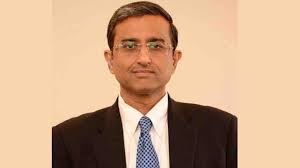 Gautam Khanna, CEO, P.D. Hinduja Hospital & Chairman FICCI Health Services commented, “Budget 2023-24 focused on enhancing India’s capabilities and resources through increased manpower, R&D, and PPP in healthcare sector. Setting up of 157 new Nursing colleges is welcome, in view of the severe shortage of nurses in the country. However the current state of existing Nursing colleges must .be evaluated for upgradation & better job opportunity for nurses to be identified to curb international migration. The idea of setting up a Center of Excellence in AI for health along with the strengthened impetus towards medical education will accelerate the development of new-age, technology-driven medical solutions for better disease management and encourage start-ups to come up with Innovative solutions in the Healthcare Delivery space.”
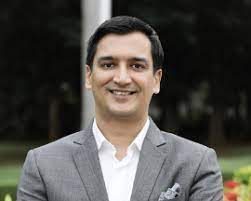 Dr Shravan Subramanyam, President, NATHEALTH says, “It is encouraging to see the importance that the healthcare sector has got in this year’s budget. Skilling of healthcare nurses and allied workers has been a long-standing gap, hindering healthcare delivery expansion, and the Union Govt. has taken a step in the right direction to address this. A significant increase in nursing and medical colleges, strong emphasis to promote innovation and R&D, PPP in healthcare and medtech specialised workforce will lay a stronger roadmap for the future.
Dr Jyoti Kapoor, Founder & Director, Manasthali Wellness, said, “We welcome the announcements made by the government in Budget 2023 particularly for the health sector. The government has taken several initiatives to strengthen the health sector in this year’s budget compared to last year.”
Heathtech too Affirms its Assent
 Dr Jogin Desai, CEO & Co-Founder, Eyestem said, “The mission mode program to eradicate sickle cell anemia can be tremendously impactful. Such programs are a marathon and not a sprint yet can create a fantastic template for programs for other diseases like curable blindness in subsequent years. Also glad to see the focus on research and development in the pharma sector which is a much needed push to ensure a local ecosystem of innovation is created in India to make us self-reliant. One of the centres of excellence we would certainly like to see is plug and play GMP manufacturing infrastructure for startups in the biotech space. Overall, we are very pleased to see a deliberate method to nudge the Indian private and public ecosystem towards innovation and partnership.”
 Runam Mehta, CEO, HealthCube added, “The decision to provide multi-disciplinary training for the development of medical devices and support for the manufacturing of high-quality devices is going to be a key enabler for the domestic medical devices industry. These courses will not only ensure the availability of skilled manpower for future medical technology but also offer opportunities for high-end manufacturing research. The decision of opening up facilities in select ICMR labs for research by private and medical colleges will enable better infrastructure access for both individuals and organisations who are looking at undertaking research and innovation in this area.”
 Meena Ganesh, Co-Founder & Chairperson, Portea Medical stresses, “In this Union Budget, the government has focused on some of the core needs of the health and wellness sector. The plan to establish 157 nursing colleges as collocated facilities alongside medical colleges will help cover the shortage of trained healthcare workforce and lead to greater healthcare coverage of the out-of-hospital medical services. The plans to provide access to ICMR labs and other R&D facilities as well as a collaborative approach to pharmaceuticals research and encouragement of private sector investments, multi-disciplinary training for R&D and manufacturing of high-quality medical devices, and various other such measures are going to augur well for the overall universal healthcare access and quality in India.”
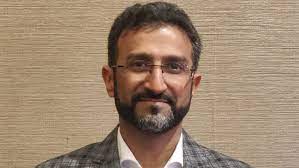 Dr Arbinder Singal, Co-founder & CEO, Fitterfly said, “As a digital therapeutics platform, it is encouraging to see the government focus on AI and IoT integration in health management. This will help in increasing the adoption of smart wearables such as Continuous Glucose Monitors and other devices that record vitals. Empowering medical devices and technology developers would lead to greater access, affordability and effectiveness of health management services. A number of skill development initiatives including the setting up of 157 nursing colleges across India will also help in creating a much larger pool of trained healthcare workers who will subsequently play a key role in disease management and monitoring. We hope that these decisions are implemented through effective and easier collaborations between the private and public sectors.”
 Manikandan Bala, Senior Vice President, TIMEA & Asia Pacific, Direct Sales Strategies & MD India & SA, Elekta stresses, “A well-designed training course to bridge the current skill gap can upskill the clinical community in using contemporary medical devices with effectiveness and precision thus resulting in better patient outcomes. This initiative will also help individuals develop the skills necessary for a career in the medical device industry. It will grow a skilled workforce that would improve the overall quality of solutions and services in the medical devices sector.”
 Srinivasa Vivek, Co-Founder, Resolute Active Care said, “Many necessary changes have been put in motion in the union budget 2023. Opening 157 new nursing colleges in co-locations with the existing 157 medical colleges, and introducing multidisciplinary courses for medical devices and skilled manpower for futuristic medical technologies is a welcome step for next-generation-lent development. Initiatives like initiatives for Make AI in India and Make AI Work for India is a great step toward advanced technology development. Governance policy to enable access to anonymised data will play a crucial role in strengthening the research and development. Select ICMR labs will also be made available for research by public & pvt medical facilities, which is a great move. However, there could have been more allocation in terms of investments in theital health and therapeutics.”
 Dr B.M Makkar President, RSSDI added, “Setting up various nursing colleges across the country is a much-needed move. This will help prepare the nation against an outbreak like COVID-19 so that we have adequately trained medical professionals. Sickle cell anemia is one of the genetic diseases that has been posing a major setback to the country’s health status, especially our tribal population. We appreciate the announcement of the mission to eliminate this disease by 2047. In addition, extending ICMR labs facilities for public and private medical colleges and private sector R&D teams for research purposes will lead to better research outcomes and give rise to innovative solutions. This will address the research gaps in noncommunicable diseases such as diabetes and cardiovascular disease.”
Still Cause of Enough Concern Though
 Dr Shravan Subramanyam, President, NATHEALTH though reminded that the long-standing requirements of the sector to increase healthcare spending as GDP per cent to 2.5 per cent, custom duty reduction to balance demand with supply and the nascent healthcare manufacturing base in equipment scheme, streamlining embedded indirect taxes like GST in healthcare making a smooth flow of credit difficult across value chain and low-cost financing schemes to strengthen healthcare infrastructure, primary care and improved working capital has not been addressed.
 Probal Ghosal, Executive Chairman, Ujala Cygnus Group of Hospitals too mentioned that a few other areas like GSt rationalization in healthcare, gap funding on infrastructure in building hospitals in Tier 2 cities, and rural India in terms of capital contribution and subsidy, should have been addressed as well in the budget.
Adds Nikkhil K Masurkar, CEO, Entod Pharmaceuticals, “We are a bit disappointed by no announcement on any sort of GST changes and simplified regulations. Also, we were expecting that the government would allocate separate funds for R&D, formulation and APIs. So, I hope these factors will be taken into consideration in the coming years.”
 Gautam Khanna, CEO, P.D. Hinduja Hospital & Chairman FICCI Health Services cautioned, “ The budgeted increase in healthcare expenditure of 15% does not seem to enough to tide over the current challenges of upgradation of infrastructure and providing accessibility and affordability for quality healthcare in the country. We are looking forward to clear indications of the steps to be implemented for healthcare infrastructure development and move closer towards universal health coverage with increased expenditure as a % to GDP. It would have been better if there were tax exemptions for healthcare, which is vital to reduce healthcare expenses & out of the pocket spending.”
The medical devices sector though is utterly disappointed with the Union Budget. It is highly disheartening that against Industry’s expectations and assurance by the various government departments, the government has not announced any measures to help end the 80-85 per cent import dependence forced upon India and an ever-increasing import bill of over Rs 63,200 crore.
 Rajiv Nath, Forum Coordinator, Association of Indian Medical Device Industry (AiMeD) on behalf of the Indian medical devices industry expressed deep disappointment and anguish over the Budget. “Though our honourable Prime Minister urges India to become Atmanirbhar in Medical Devices yet the medical devices imports continued to grow at an “alarming” level by 41 per cent in FY22. India imported medical devices worth Rs 63,200 crore in 2021-22, up 41 per cent from Rs 44,708 crore in 2020-21, as per data from the Union Ministry of Commerce and Industry.”
Sadly, the government did not even implement the recommendations made by the Parliamentary Committee on Health. If the government implements even 70 per cent of the recommendations, we could have seen a reversal on the import dependence and growth of the domestic industry.
Nath added, “It is very painful to see the plight of domestic industry players shutting shop as the local industry cannot compete with cheaper chinese imports. Imports of medical devices from China went up by nearly 50 per cent last year from Rs 9000 crore to Rs 15000 crore on account of low duties and convenience to import. These are the same domestic manufacturers, when imports got disrupted during COVID-19 crisis, the government relied heavily on to meet the rising demand of essential COVID items for the country pushing the Indian medical devices sector to become self-reliant.”
“The only positive announcement was plans for skilling of manpower for manufacturing of Medical Technologies. We can only be hopeful that the fine print of the Union Budget would possibly act upon our recommendations on levy of cess to enable nominal protection for investors and commercial viability to produce in India which is challenging if basic custom duty is 7.5 per cent or lower,” he concluded.