












Lucknow: In an era of rapid urbanisation and increasing environmental challenges, the concept of sustainability in cities has taken centerstage. As urban populations increase and the world faces pressing issues related to climate change, resource management, and equitable living conditions, cities are at the forefront of efforts to create a sustainable future.
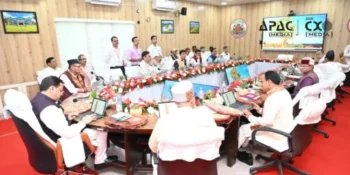
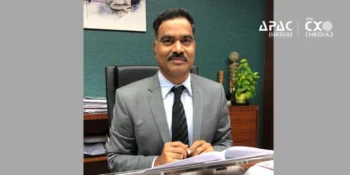
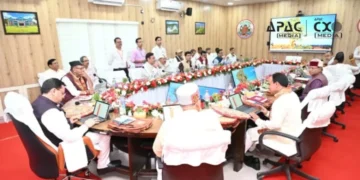
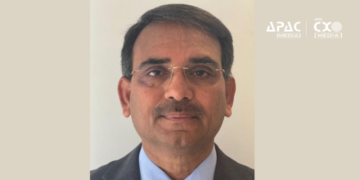
During the 2nd Sustainable Urban Innovation Summit-Uttar Pradesh Edition hosted by APAC News Network in Lucknow, IAS Durga Shanker Mishra, Chief Secretary, Government of Uttar Pradesh, gave us a detailed view on how one can contribute and ensure a sustainable future.
Urbanisation for economic growth
“In 2022, the urban population of India crossed 50 crores. Approximately 63% of our nation’s total population live in urban areas. It has been estimated that by 2031, this figure will cross 60 crores, and by 2051, it will cross 88 crores, and we will become a nation with a majority of urban population,” Mishra said.
Urbanisation contributes to economic growth through increased labor market efficiency, cluster benefits, improved infrastructure, larger consumer bases, better access to education and healthcare, innovation and entrepreneurship opportunities, a developed financial sector, industry diversification, trade advantages, and the presence of innovation ecosystems.
Challenges of urbanisation on economic growth
“Urban areas are the engines of economic growth. If we want our nation to advance at a rapid pace, urbanisation is a must. But the urbanisation required for economic growth has no free lunch,” he added.
Urbanisation can present challenges for economic growth, including strains on infrastructure, rising housing costs, income inequality, environmental problems, a significant informal labor sector, difficulties in delivering essential services, urban poverty, gentrification, resource scarcity, and social unrest. These challenges can lead to economic disparities and hinder overall growth in urban areas.
A 100 smart cities
IAS Durga Shanker Mishra talked about PM Narendra Modi’s “Smart Cities Mission”, an initiative to build a hundred smart cities, citing the smartness of “getting more from less” as its objective.
A smart city utilises technology and data-driven solutions to enhance urban living. Some of the key elements of a smart city include a robust IT infrastructure and data analytics capabilities, enabling real-time data collection and analysis.
Smart cities prioritise sustainable transportation, energy efficiency, and advanced waste management to reduce environmental impact. They also emphasise safety, environmental sustainability, and digital governance.
Integration of infrastructure and technology
An Integrated Command and Control Center (ICCC) is a centralised hub at the heart of city management, combining advanced technology and data analytics to coordinate and oversee various urban functions.
“Nothing is possible without infrastructure, but a layer of technology over infrastructure can ensure its optimum utilisation,” Mishra explained, calling the ICCC the nerve and the brain of a city. ICCCs are pivotal in managing daily urban operations, responding to emergencies, and planning for future growth.
It serves as a multifunctional nerve centre that integrates public safety, traffic management, disaster response, healthcare services, utilities management, environmental monitoring, and more. By collecting and analysing real-time data, an ICCC enhances awareness according to the situation and empowers decision-makers to respond promptly to incidents, allocate resources efficiently, and make informed choices.
A 3-step guide to sustainability
- Social sustainability:
It ensures that the needs of all members of society, regardless of their background, are met, where individuals can lead healthy, fulfilling lives. It includes factors such as equal access to opportunities and resources, community well-being, quality education, healthcare, affordable housing, social cohesion, cultural and recreational opportunities, inclusive governance, and economic opportunities.
- Environmental sustainability:
It is attained by adopting practices and policies that minimise the city’s impact on the environment while ensuring the well-being of its residents. This includes investing in green infrastructure, promoting efficient transportation, transitioning to renewable energy sources, implementing waste reduction and recycling programs, conserving water, enhancing energy efficiency in buildings, protecting biodiversity, and fostering resilience to climate change. It also involves engaging the community, promoting sustainable behaviours, and supporting local sourcing of resources.
- Economic sustainability:
This is achieved by supporting a mix of industries, encouraging innovation and entrepreneurship, attracting investment for infrastructure development, and managing resources efficiently. Additionally, ensuring affordable housing, investing in education and workforce development, and promoting local businesses contribute to economic sustainability.
Working towards sustainability- LiFE
Prime Minister Narendra Modi introduced the concept of “Lifestyle for the Environment (LiFE)” at 26th UN Climate Change Conference of the Parties (COP26) in Glasgow on November 1, 2021.
He urged individuals and institutions worldwide to embrace LiFE as a global mass movement that advocates for “mindful and deliberate utilisation” of resources instead of “mindless and destructive consumption” to safeguard and conserve the environment.
LiFE places the responsibility on individuals and communities to lead lives that align with the Earth and do not harm it. Those who adopt this lifestyle are acknowledged as “Pro Planet People” within the framework of LiFE.
IAS Durga Shanker Mishra says, “Sustainability is not only technology. It is only an enabler that helps with optimisation. But sustainability starts with a change in our habits.”
Also Read More –