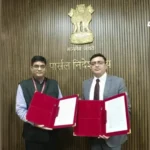

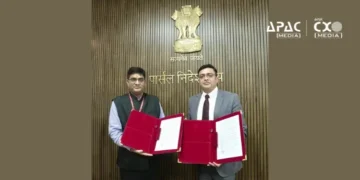



















New Delhi: The agreement focuses on delivering firm and dispatchable renewable energy (FDRE) using a hybrid model of solar, wind and battery storage technologies.
The power generated through this setup will cater to the state’s electricity demands during peak consumption hours, primarily in the morning and evening when load on the grid is typically at its highest.
Hybrid Energy Model to Support Grid Stability
The FDRE solution proposed by Serentica aims to address one of the key limitations of renewable energy intermittency. By integrating battery storage with solar and wind installations spread across different states, the model is designed to provide consistent power output, even when weather conditions are not optimal for renewable generation.
This approach aligns with the broader objective of reducing Uttar Pradesh’s dependence on conventional thermal power. The inclusion of energy storage infrastructure enables the system to dispatch electricity on demand, making it more reliable for the state’s distribution network.
Focus on Energy Transition Goals
The energy supplied under this agreement is expected to contribute to Uttar Pradesh’s transition towards cleaner energy sources. With industries and utilities increasingly required to reduce carbon emissions, the project is positioned to support both policy mandates and operational requirements for green energy procurement.
NTPC’s collaboration with Serentica reflects a strategic push towards incorporating firm renewable energy into the state’s energy mix. The project will be developed across multiple states, though specific locations and timelines for deployment have not yet been disclosed.