




















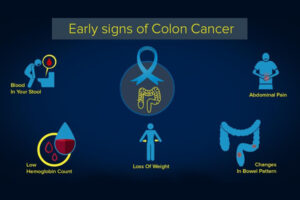
 New Delhi: The body fluids like blood, urine, and feces (stool) can provide clue for early detection of colon cancer. This is now possible as Dr. Tatini Rakshit from S. N. Bose National Centre for Basic Sciences a recipient of the INSPIRE Faculty Fellowship Award instituted by the Department of Science & Technology (DST), Govt. of India along with her research group has developed a sensitive tool that could be useful to identify colon cancer at a very early stage.
The method that scores above currently existing methods like polymerase chain reaction (PCR), enzyme-linked immunosorbent assay (ELISA), electrophoresis, surface plasmon resonance (SPR), surface-enhanced Raman spectroscopy (SERS), microcantilevers, colorimetric assay, electrochemical assay, and fluorescence methods in terms of accuracy, has been published recently in ‘Journal of Physical Chemistry Letters’.
Dr. Tatini’s research group is working with Extracellular Vesicles (EV) at the single vesicle level to identify biomarkers non-invasively.
Initially, these EVs were thought to be garbage bags for removal of unwanted materials by the cell. Her group teased out a potential colon cancer biomarker molecule, Hyaluronan (HA), that is present on the surface of lipid sacks secreted by cancer cells.
‘We believe that our work strategy could be useful in identifying biomarkers from different body fluid derived EV samples, for example, blood, urine, and feces(stool) samples from patients to detect colon, ovarian, bladder and prostate cancer at the very early stages of the disease. The experimental tools we employed are easy to use, easily accessible, cost-effective, and the experiments could be performed in a few hours. We envision that this biophysical approach can be used effectively for clinical translation of EV cancer biomarkers from liquid biopsies,’ said Dr. Tatini. She expressed sincere gratitude to her collaborators, Professor Samir Kumar Pal, S. N. Bose National Centre for Basic Sciences, Kolkata, and Professor Dulal Senapati, Saha Institute of Nuclear Physics, Kolkata for their constant support and DST for generous research funding and fellowship.
Dr. Tatini plans to set up a collaboration with a hospital and start working with EVs derived from biofluid samples.
Colorectal cancer that affects the large intestine (colon) and rectum is the 5th leading cause of cancer death in India, mainly because late detection minimizes chances of recovery. In the last decade, the country has witnessed a rapid increase in the rate of colorectal cancer among younger people due to poor dietary habits, lack of physical activity, obesity, increased alcohol consumption, and chronic smoking. The current detection methods need invasive biopsies, and subsequent evaluation requires special expertise. The delay in the timely detection of the disease limits access to rapid and affordable treatment.