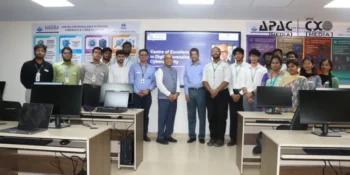






















Hyderabad: The Telangana government has signed an MoU with ITServe Alliance to boost IT employment in Tier-II and III cities, targeting the creation of 30,000 jobs. The agreement, signed on Wednesday, aims to decentralize the IT industry and foster regional economic growth.
MoU Focuses on IT Expansion in Smaller Cities
Telangana’s IT Minister D. Sridhar Babu and ITServe Alliance National President Jagadeesh Mosali formalized the partnership to promote IT infrastructure development in cities like Mahbubnagar, Warangal, Karimnagar, Khammam, and Nizamabad. According to an official release, the initiative seeks to encourage IT companies to establish operations outside Hyderabad, creating a more balanced growth model.
The agreement includes plans for workforce development through upskilling and reskilling programs. The state government has committed to supporting ITServe member companies with resources and infrastructure to streamline their operations in smaller cities.
IT Ecosystem Development and Workforce Upskilling
Under the MoU, ITServe Alliance will leverage its network of member companies to build a sustainable IT ecosystem in Telangana’s smaller towns. The focus is on generating employment while ensuring local talent is equipped with industry-relevant skills. Officials stated that these efforts aim to reduce the concentration of IT opportunities in Hyderabad while addressing skill gaps in regional communities.
Government Support for ITServe Alliance
In addition to promoting IT growth in Tier-II and III cities, the state government has allocated land in Hyderabad’s Financial District for ITServe Alliance to establish an office building. This move signals the government’s commitment to facilitating a strong partnership with the organization.
Key attendees at the MoU signing included Jayesh Ranjan, Special Chief Secretary for Industries and IT, and several ITServe Alliance representatives, highlighting the collaborative effort to decentralize Telangana’s IT sector.
The partnership is expected to create new employment opportunities and promote inclusive growth by addressing regional disparities in IT infrastructure and workforce readiness.
Also Read –