











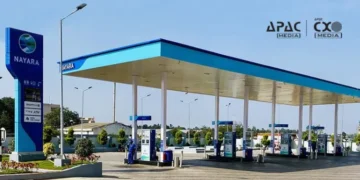











Noida, Apr 29 (APAC Media): Oil prices eased on Wednesday, pulling back from a multi-day rally as investors weighed the implications of the United Arab Emirates’ surprise decision to exit OPEC, while ongoing supply disruptions linked to the stalemated Iran conflict continued to underpin the market.
Brent crude futures for June delivery fell 1% to $111.25 a barrel by 0413 GMT, after rising for seven consecutive sessions. The June contract, set to expire on Thursday, April 30, slipped as trading shifted toward the more active July contract, which was down 28 cents at $104.12 a barrel.
The United Arab Emirates’ decision to exit the Organization of the Petroleum Exporting Countries is being seen as a major development in global energy markets, with analysts linking the move to shifting regional dynamics involving Saudi Arabia and Pakistan.
The announcement comes amid ongoing geopolitical tensions in West Asia that have disrupted oil supply chains and added volatility to global prices. By leaving OPEC, the UAE is expected to gain greater flexibility in setting its production levels, allowing it to expand output beyond cartel-imposed limits.
Energy experts say the decision reflects a mix of economic ambition and geopolitical recalibration. “The UAE is pursuing a more independent path in energy policy,” said a Gulf-based analyst. “This move allows it to maximise production capacity and strengthen its position in global markets.”
The UAE has already outlined plans to significantly boost its crude production capacity over the next few years. Analysts believe this strategy is aimed at capturing a larger share of the market at a time when supply uncertainties persist.
Observers note that Saudi Arabia has traditionally played a dominant role within OPEC, influencing output decisions across the group. “Differences over production targets and long-term strategy have created friction within the bloc,” said an energy market specialist. “The UAE’s exit highlights these underlying tensions.”
The broader regional context, including Saudi Arabia’s strategic ties with Pakistan, has also been cited as a contributing factor, though analysts emphasise that multiple issues are at play. “Energy policy cannot be separated from geopolitics in this region,” another expert said.
News Agency Inputs
Disclaimer: Views expressed are those of experts and do not reflect APAC Media. This is for informational purposes only, not financial advice. We are not responsible for investment decisions. Please consult a qualified financial advisor before investing.
Also Read:
Bandhan Bank Shares Jumps 9% After Strong Q4 Results; Profit Surges 68%, Asset Quality Improves