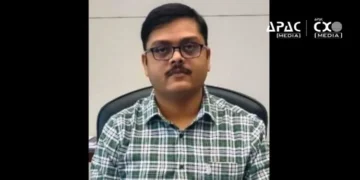

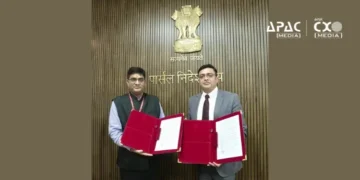



















As Andhra Pradesh steps up its focus on planned urbanisation and inclusive housing, the Andhra Pradesh Township and Infrastructure Development Corporation (APTIDCO) is playing a central role in shaping affordable, sustainable, and future-ready townships across the state. A. M. Hariprasad, Deputy Director, APTIDCO, Government of Andhra Pradesh, speaks exclusively with APAC Media to outline the corporation’s key priorities, ongoing projects, and the role of public-private partnerships in expanding access to affordable housing. The discussion also highlights how green spaces, water management, environmental safeguards, and livelihood-linked planning are being integrated to create self-sustaining townships.
What are the key focus areas of the Andhra Pradesh Township and Infrastructure Development Corporation (APTIDCO) at present?
The key focus areas of the Andhra Pradesh Township and Infrastructure Development Corporation (APTIDO) at present include delivering affordable and quality housing for economically weaker sections and low-income group families, completing and handing over ongoing township projects with full infrastructure, and facilitating financial support and loan relief for beneficiaries. APTIDCO is also focused on planning integrated urban townships with supporting infrastructure such as roads, drainage, water supply, sewerage, electricity, parks, schools, health centres, community halls and shopping spaces to enhance the overall quality of life for residents.
In addition, the corporation emphasises transparent allocation, safety, and sustained occupancy of housing projects. Collectively, these efforts are aimed at improving living standards, promoting self-sustaining families, and strengthening family safety, dignity, and social honour through secure home ownership.
What initiatives are in place to support housing for economically weaker sections and middle-income groups?
Pradhan Mantri Awas Yojana (PMAY) is the flagship national programme aimed at achieving ‘Housing for All’ by improving housing access for the urban poor and middle-income groups. One of its most impactful components is the Credit-Linked Subsidy Scheme, which provides interest rate subsidies on home loans for economically weaker sections, low-income groups, and middle-income categories under MIG-I and MIG-II. This subsidy reduces the effective interest burden, resulting in lower monthly loan repayments and making home purchases more affordable.
Beyond interest subsidies, PMAY also includes other verticals such as In-Situ Slum Redevelopment, which focuses on rebuilding homes on existing slum land with private developer participation; Affordable Housing in Partnership, which promotes public-private collaboration to construct affordable housing units; and Beneficiary-Led Construction, which offers financial assistance to eligible families to build or upgrade their own homes. Together, these measures make homeownership more accessible for both very low-income and moderate-income households.
What major township or infrastructure projects are currently under execution?
The Government of Andhra Pradesh has sanctioned and initiated the construction of 2,61,640 dwelling units across 163 layouts in 88 Urban Local Bodies (ULBs). So far, APTIDCO has successfully handed over 1,43,512 dwelling units to beneficiaries across the state. As part of this initiative, major townships have been developed in the Greater Visakhapatnam Municipal Corporation, Kurnool Municipal Corporation, Nandyal Municipal Corporation, and Nellore Municipal Corporation, each comprising more than 10,000 dwelling units.
What role does public-private partnership play in township development in Andhra Pradesh?
Public-private partnership (PPP) plays an important role in township development in Andhra Pradesh by enabling collaboration across multiple stages of planning and execution. Urban Development Authorities are exploring PPP frameworks to develop smart and affordable township clusters, including MIG plots for middle-income groups, planned layouts, and integrated facilities. Through PPP models, permissions are streamlined, plots can be co-developed and offered at lower-than-market prices, and private entities are allowed to construct, sell, or manage township zones.
The state government is also allocating municipal and unused public land through PPP arrangements, allowing private developers to build residential and mixed-use townships. This approach helps put idle land to productive use, encourages private participation in residential and commercial development, and generates revenue for civic bodies. Beyond housing and plots, PPPs are being used or explored for developing urban utilities such as water supply and waste management, housing infrastructure and public amenities, as well as transit-oriented development and improved connectivity plans.
How are green spaces, water management, and environmental safeguards integrated into township planning?
Integration of Green Spaces: Green spaces are planned as essential urban infrastructure rather than optional features.
The key approaches include zoning regulations that mandate a fixed percentage of land for parks, playgrounds, green belts, and open spaces. Green buffers are created around roads, water bodies, and industrial or commercial zones to help reduce pollution. Urban forestry initiatives and avenue plantations are undertaken to improve air quality and minimise heat-island effects. Open space networks are planned to connect parks, walking tracks, and recreational areas, supporting community well-being. In addition, green roofs and vertical gardens are promoted in high-density developments to enhance green coverage.
Water Management Systems: Water management is designed to ensure conservation, reuse, and flood prevention.
The key measures include making rainwater harvesting systems mandatory in residential and commercial buildings and planning stormwater drainage in line with natural drainage patterns to prevent flooding. Recharge pits and percolation tanks are used to help replenish groundwater levels. Water-sensitive urban design integrates lakes, ponds, and wetlands within townships to support sustainable water management. Treated wastewater is reused for gardening, flushing, and cooling purposes, while smart water metering is implemented to reduce wastage and improve overall water-use efficiency.
Environmental Safeguards and Protection: Environmental safeguards ensure township development does not degrade natural ecosystems.
The key safeguards include conducting an Environmental Impact Assessment before project approval and ensuring the protection of natural features such as lakes, wetlands and existing trees. Solid waste management systems are implemented with proper segregation, recycling and composting to minimise environmental impact. Sewage treatment plants are established to prevent pollution of nearby water bodies. Renewable energy solutions, including solar panels and energy-efficient lighting, are promoted, while low-impact construction practices are followed to reduce dust, noise and emissions during project execution.
Integrated Planning Approach: Modern townships adopt a holistic and integrated approach in which green spaces serve multiple functions, including acting as flood control and groundwater recharge zones. Water bodies are developed not only for ecological balance but also as recreational assets for residents. Environmental safeguards are closely linked with broader smart city initiatives and long-term sustainability goals, ensuring balanced and resilient urban development.
How is APTIDCO planning and developing townships that are inclusive, affordable, and future-ready?
APTIDCO is planning and developing townships that are inclusive, affordable, and future-ready by focusing on the following factors:
Self-Sustainability & Economic Growth: To help families become self-sustainable, the corporation and state government are now linking housing with employment opportunities:
MSME Parks: The government is allocating land adjacent to TIDCO colonies to build MSME parks, aiming to provide direct employment to township residents.
Energy Efficiency: Installing LED lighting and energy-efficient appliances (BLDC fans) in homes to reduce the long-term monthly electricity burden on low-income families.
Financial Empowerment Bank Linkage: Facilitating easy loan processing through tie-ups with banks to ensure beneficiaries aren’t exploited by private moneylenders.
Property Title: Providing clear, legal property titles to the women of the household, which enhances their social ‘honor’ and provides a tangible asset for the family’s future.