











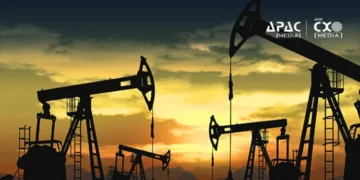









Noida, Sep 2 (APAC Media): Crude oil prices surged on Tuesday after the U.S. military said it was carrying out further strikes on Iran, intensifying tensions between the two countries and raising fears of a wider conflict that could disrupt crude supplies from the Middle East.
Brent crude futures rose 1.1% to $91.51 a barrel, while U.S. West Texas Intermediate crude gained 1.4% to $86.99. Both benchmarks had jumped nearly 3% in the previous session as traders reacted to the latest escalation in the Middle East.
The rise came after U.S. forces struck Iranian military targets on Larak Island, ending a weeks-long pause in direct hostilities between the two countries. Iran responded by firing missiles at U.S. military facilities in Jordan.
U.S. President Donald Trump warned that Washington could launch further attacks if Iran retaliated.
“If the failed nation of Iran retaliates for this well-justified attack, they will be hit again at a much harder and higher level,” Trump said in a post on Truth Social.
He added that a larger attack was “waiting in the wings,” increasing fears among investors that the confrontation could spread and threaten oil infrastructure and shipping routes.
Speaking to Al Jazeera from Tehran, Eslami said Iran believed Washington was no longer interested in pursuing a diplomatic solution.
“The Iranians believe the Americans are not interested in any kind of diplomatic settlement,” Eslami said, adding that Tehran was preparing for what it expected to be a second phase of full-scale confrontation involving the United States and Israel.
Eslami said the earlier phase of fighting had demonstrated what he described as the limits of US and Israeli military power. “If they want to start another full-scale war, that is their choice,” he said.
He added that Iran would respond with greater force if further attacks were launched against it.
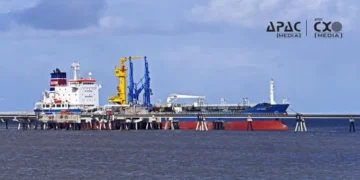
The Strait of Hormuz has become a particular focus for energy markets. The narrow waterway carries a significant share of global oil supplies, making any disruption there a major risk for crude prices and fuel markets.
A tanker was also reportedly struck by three unidentified projectiles while leaving the Strait of Hormuz on Monday, adding to concerns over the safety of commercial shipping in the region.
The latest oil rally comes despite plans by OPEC+ to raise output. The group has approved an increase of about 188,000 barrels per day from September as it continues to unwind earlier production cuts.
Fuel markets are also facing additional pressure after Russia extended its ban on diesel exports until September 30.
Meanwhile, Trump said oil secured under a new agreement with Venezuela would be used to replenish the U.S. Strategic Petroleum Reserve, which remains near its lowest level in decades.
For investors, the key question is whether the latest U.S.-Iran confrontation will escalate further. Any prolonged disruption to Middle Eastern oil supplies or shipping could send crude prices sharply higher and add to inflationary pressures around the world.
–ENDS–
Disclaimer: This article is for informational purposes only and is based on publicly available information. APAC Media is not responsible for investment decisions or losses. Please conduct your own research or consult a financial adviser before investing.
Also Read: