












New Delhi: India is set to offer incentives amounting to 180 billion rupees ($2.2 billion) to promote local manufacturing in new six sectors, including chemicals, shipping containers, vaccine inputs, toys, bicycles, leather, and footwear, according to government sources. This initiative is part of the country’s 1.97-trillion-rupee production-linked incentive scheme (PLI), originally launched in 2020, which aimed at 14 sectors such as electronics and drones but has seen limited success.
Due to underutilised funds within the PLI scheme, the government intends to redirect these unused resources to the new sectors, potentially resulting in “large” savings. The details of this plan have not yet been publicly disclosed, and the federal trade ministry responsible for overseeing the scheme has not commented on the matter.
The proposed 180-billion-rupee allocation will be distributed among the six newly included sectors, as they join the existing PLI program. India views the PLI scheme as a vital component for stimulating its economy, which has suffered from a lack of private investment for nearly a decade and a shortage of jobs, especially in manufacturing.
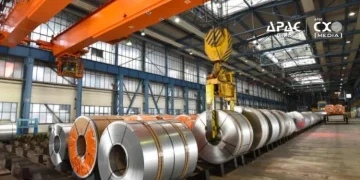
In the fiscal year that concluded in March, approximately 29 billion rupees in incentives were disbursed. However, sectors such as specialty steel products, solar modules, and car components received minimal payouts, as reported by government sources. For the ongoing fiscal year starting in April, disbursements are expected to increase to nearly 110 billion rupees, with a projected rise to 400 billion rupees by the fiscal year 2024/25, according to government analysis.
One official involved in the initiative noted that adjustments to the scheme could result in better disbursements, and some sectors may be granted an additional year or two under the program.