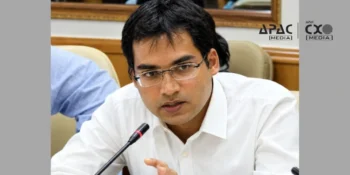

















New Delhi: The Union Minister for Power and New & Renewable Energy, R. K. Singh, recently led a meeting in New Delhi to conclude arrangements for implementing the scheme for Viability Gap Funding (VGF) to develop Battery Energy Storage Systems (BESS) capable of storing 4,000 Megawatt-Hours (MWh).
During the session, the Minister highlighted the declining costs of BESS and emphasised the government’s intent to promote their establishment to meet escalating power demands and facilitate energy transition. He stressed the need for efficient storage systems to harness surplus solar and wind energy, preventing wastage. To achieve this, the Minister underscored the government’s role in creating conducive frameworks to attract investments, ensuring energy availability when most needed.
The meeting deliberated on the role of BESS in supplying electricity during peak demand while also helping to stabilise the power grid. Discussions revolved around supplying power through various market segments in power exchanges, primarily charging BESS from renewable sources during periods of ample solar and wind power availability.
Different procurement models, including energy and capacity contracts, were analysed along with their associated benefits, challenges, and implementation strategies. Potential locations for BESS deployment were explored in states abundant in renewable energy resources to maximise the storage system’s efficiency.
Notable attendees included senior officers from the Ministry of Power, Ministry of New & Renewable Energy, Central Electricity Authority, Solar Energy Corporation of India, Grid India, and NTPC Vidyut Vyapar Nigam Ltd. (NVVN).